AI-Powered Vendor Comparison for Enterprise Procurement
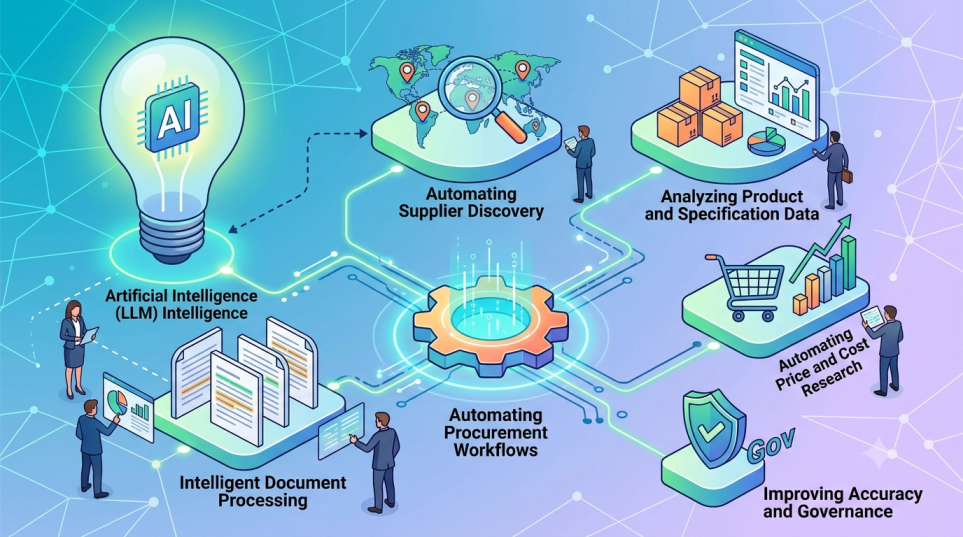
Enterprise procurement teams must evaluate multiple vendors while balancing pricing, product quality, delivery timelines, compliance requirements, and long-term business value. Reviewing supplier proposals manually can consume valuable time and make it difficult to identify meaningful differences between competing offers. AI-powered vendor comparison helps organizations analyze supplier information, standardize evaluation criteria, and support more informed procurement decisions. By combining artificial intelligence, document processing, and enterprise data integration, businesses can make vendor evaluation more consistent, transparent, and efficient. 🤖
Step 1: Establishing Vendor Evaluation Criteria 🎯
• Define evaluation criteria based on procurement objectives and business requirements. 📋
• Identify important factors such as pricing, quality, delivery, warranty, and service support. 📊
• Assign weights to evaluation criteria according to organizational priorities. ⚖️
• Establish minimum compliance and technical requirements for vendor eligibility. 🛡️
• Create a standardized evaluation framework for comparing supplier proposals. 🧩
Step 2: Collecting Vendor Information 📥
• Gather quotations, product specifications, contracts, and supplier proposals from approved sources. 📄
• Collect vendor information from procurement portals, email, ERP systems, and supplier databases. 🔗
• Organize documents by vendor, product category, project, and purchasing requirement. 🗂️
• Maintain document versions to ensure comparisons use the correct supplier submissions. 🔄
• Establish a centralized repository for authorized procurement teams. 🗃️
Step 3: Extracting Data with AI 🤖
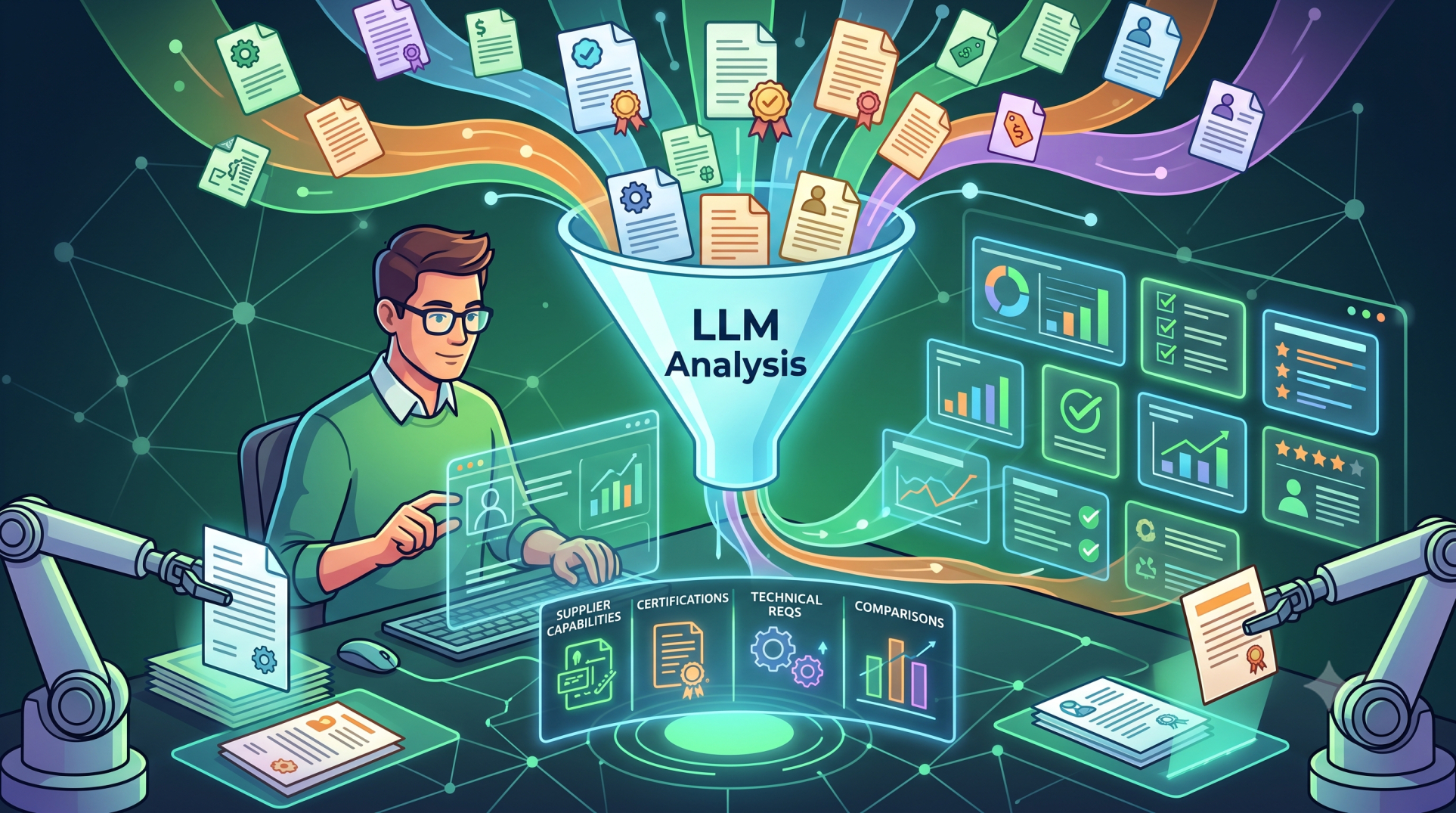
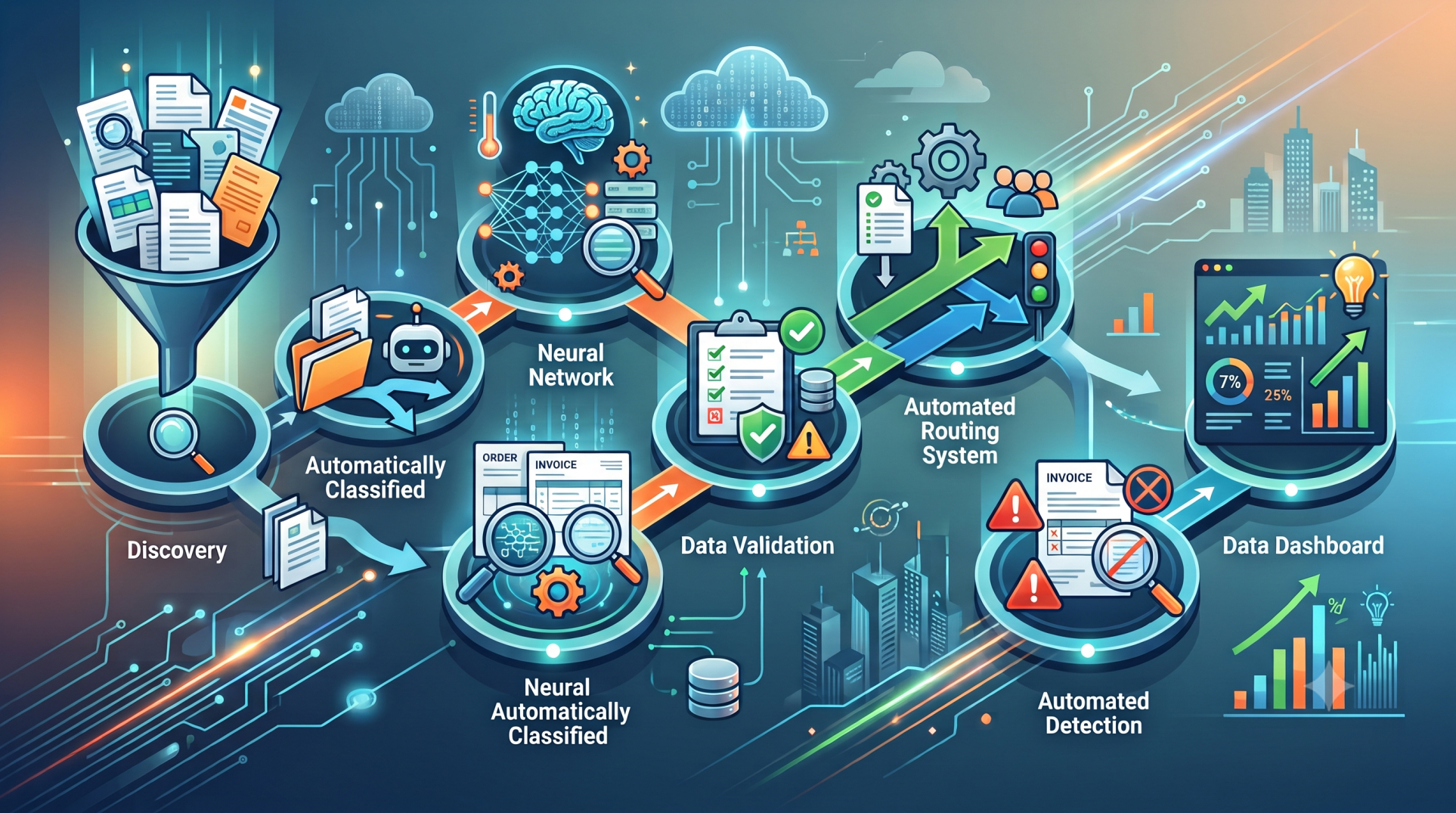
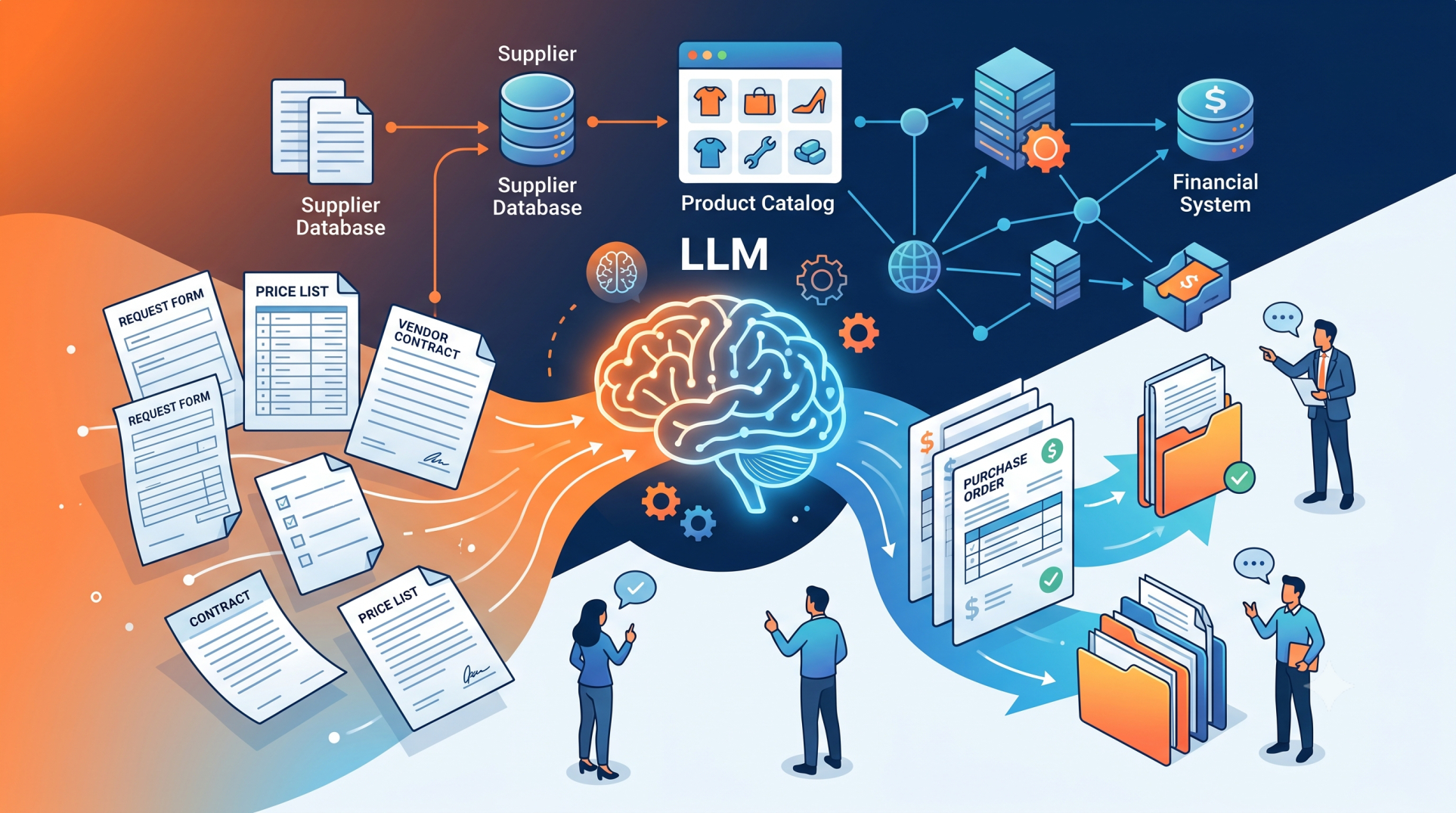
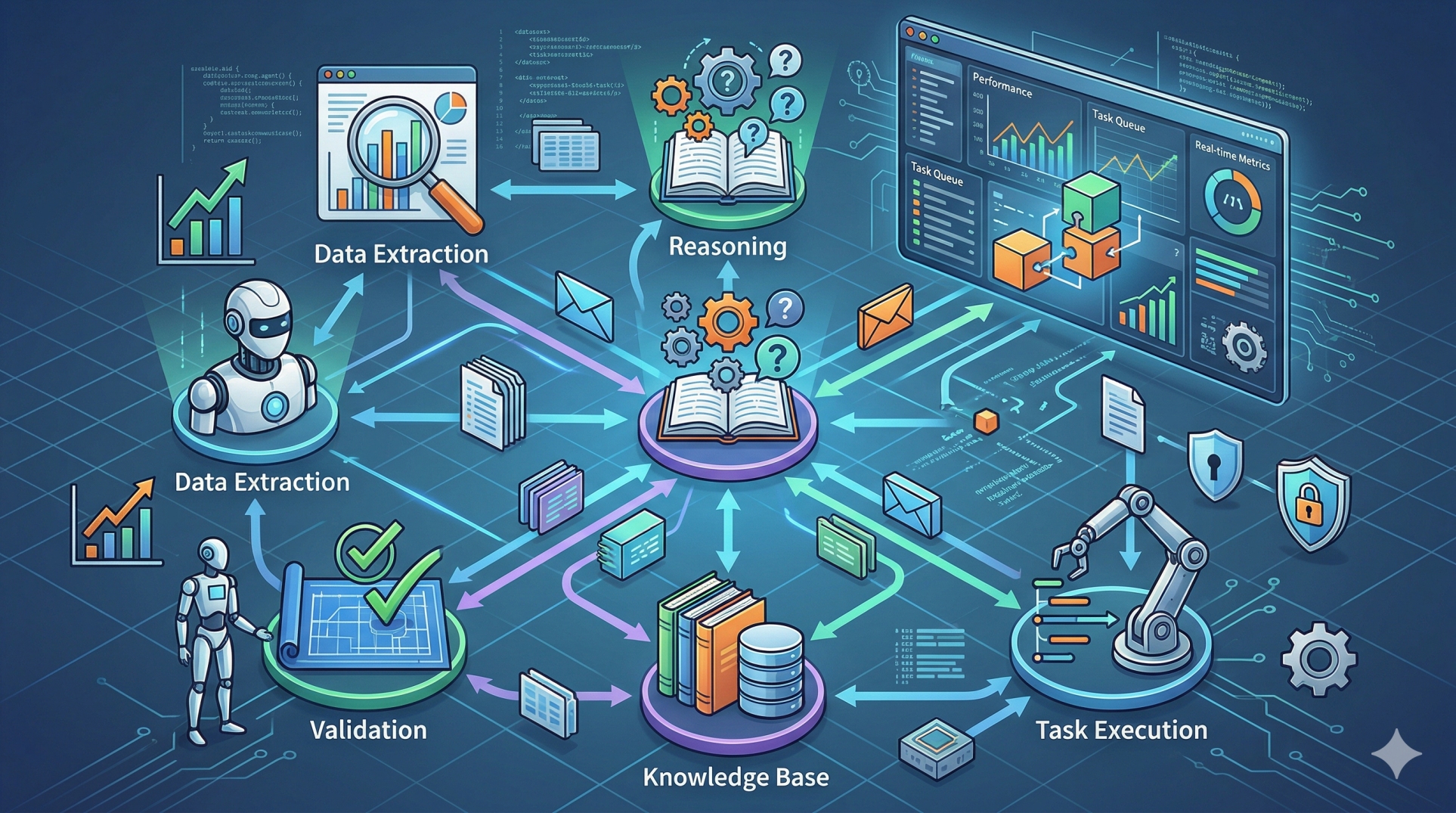
• Use AI-powered document processing to identify relevant information in supplier proposals. 🔎
• Extract prices, quantities, product specifications, delivery dates, and payment terms. 📊
• Convert unstructured documents into standardized comparison fields. ⚙️
• Process different document formats, including PDFs, spreadsheets, and scanned files. 📄
• Validate extracted information against source documents before using it in evaluations. ✅
Step 4: Comparing Vendor Pricing and Costs 💰
• Compare quoted prices for equivalent products, services, and quantities. 📊
• Identify additional expenses such as shipping, installation, maintenance, and support. 🧾
• Evaluate total cost of ownership over the expected usage period. 📈
• Highlight unusual price differences and potential discrepancies between quotations. 🔎
• Distinguish confirmed costs from estimates, assumptions, and missing information. 📝
Step 5: Evaluating Technical and Quality Requirements ⚙️
• Compare supplier specifications against mandatory technical requirements. 🔍
• Identify differences in materials, dimensions, performance, and product capabilities. 🧩
• Flag missing certifications or documentation required by procurement policies. 🛡️
• Distinguish mandatory requirements from optional features and added benefits. 📋
• Present technical deviations with supporting references from the original documents. 📚
Step 6: Assessing Vendor Reliability and Risk 🔐
• Review supplier delivery performance and relevant historical procurement records. 📊
• Identify potential concerns involving delivery commitments, warranties, and service availability. ⚠️
• Evaluate available evidence of regulatory compliance and required certifications. 📄
• Flag incomplete supplier information and potential contractual concerns for further review. 🔎
• Support risk assessment with documented evidence rather than unsupported AI assumptions. 🛡️
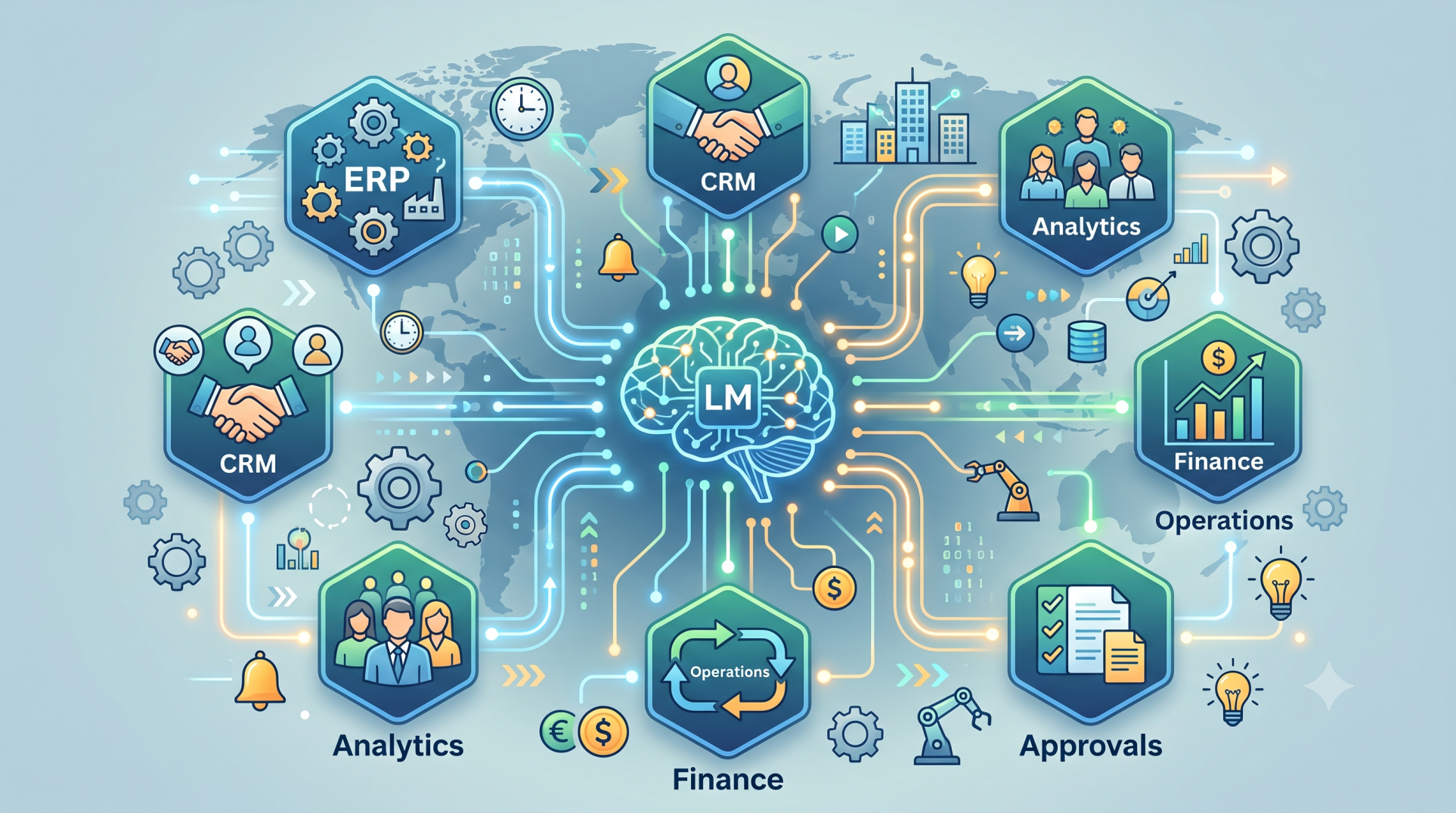
Step 7: Integrating AI with Procurement Systems 🔗
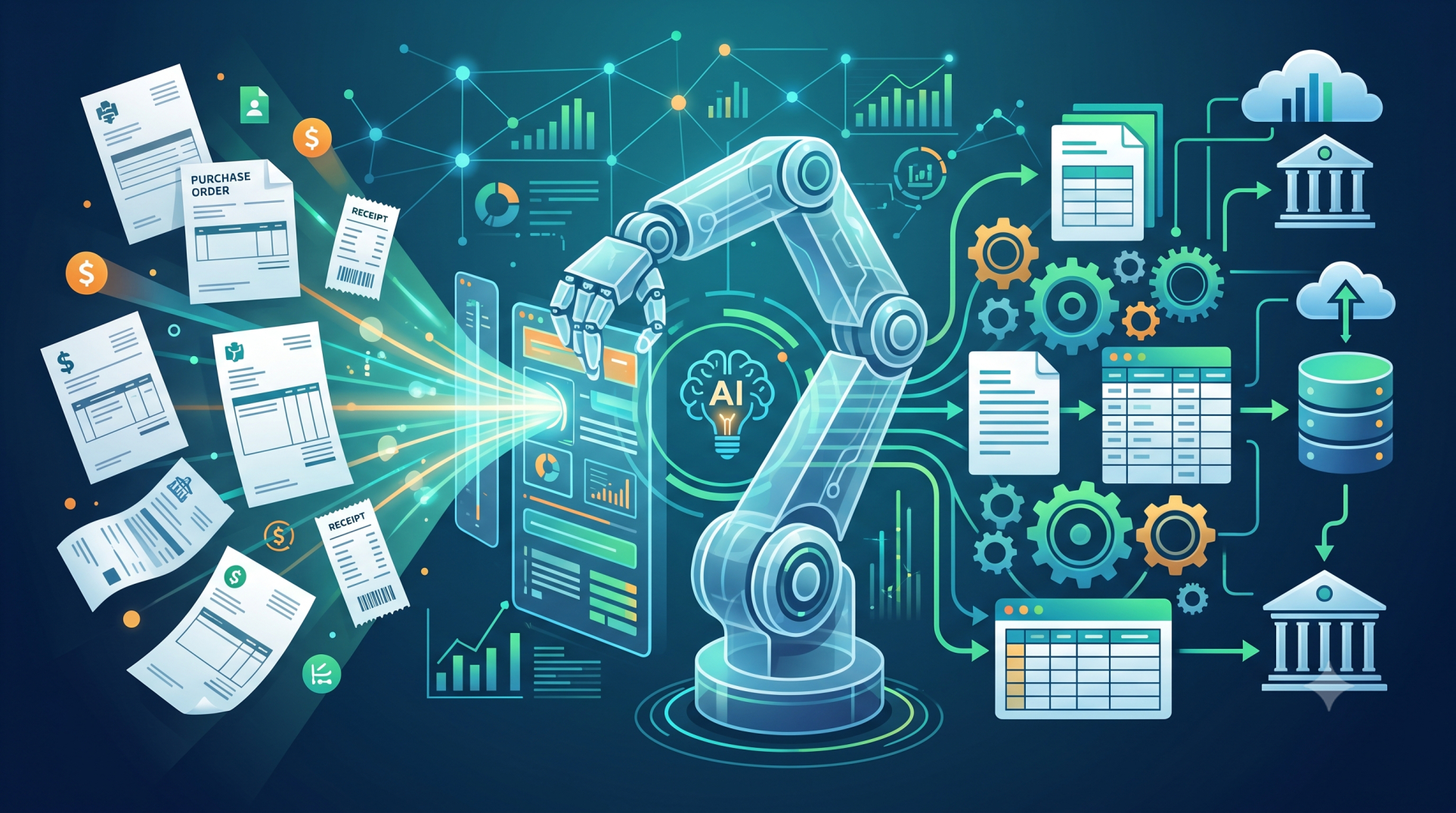
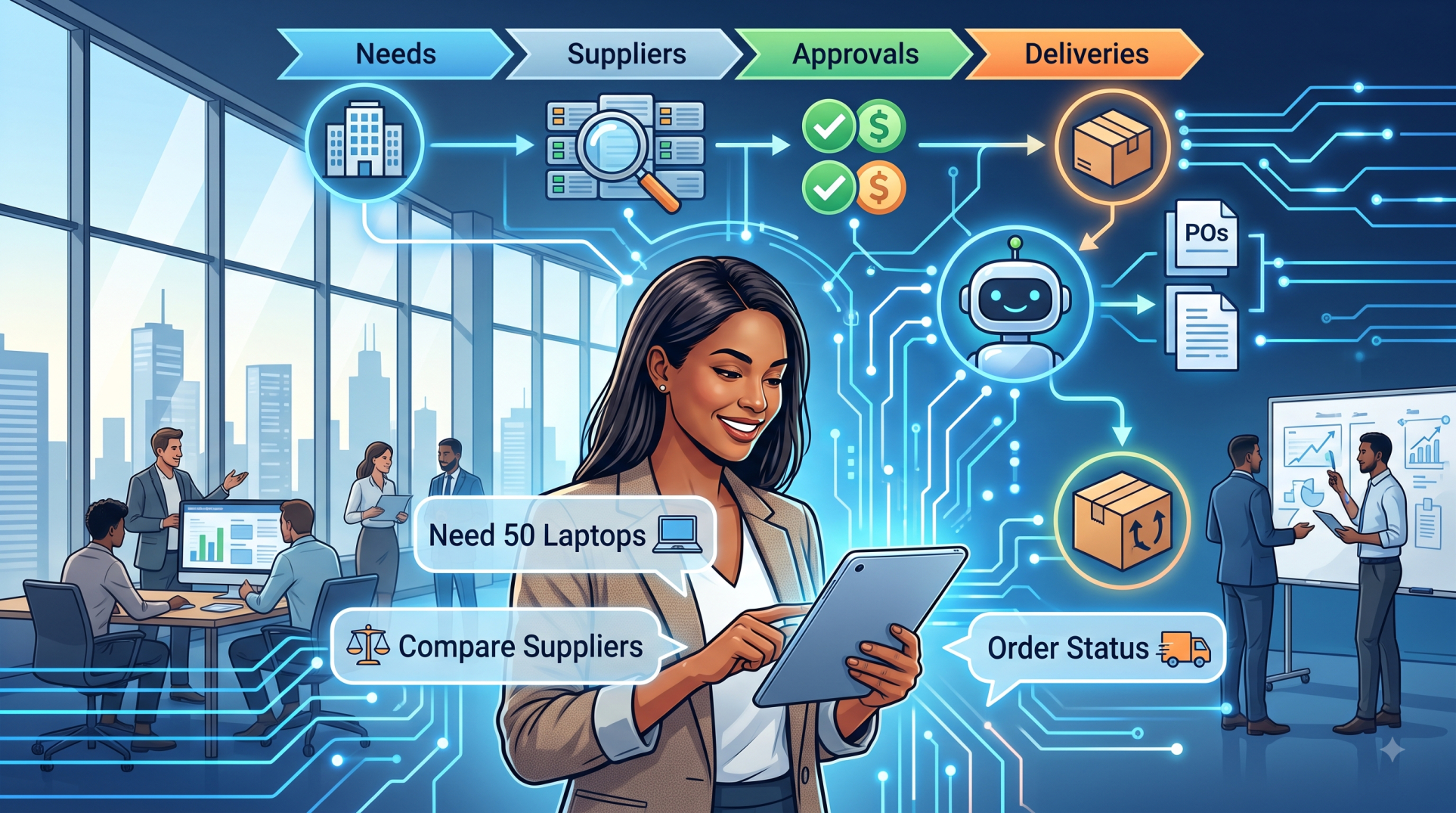
• Connect vendor comparison workflows with ERP, supplier management, and purchasing systems. 🏢
• Retrieve approved supplier records and historical transaction data when authorized. 🗃️
• Synchronize validated comparison results with existing procurement workflows. 🔄
• Automate notifications when supplier proposals require clarification or additional review. 📩
• Maintain traceability between recommendations, source documents, and procurement records. 📝
Step 8: Generating Intelligent Comparison Reports 📊
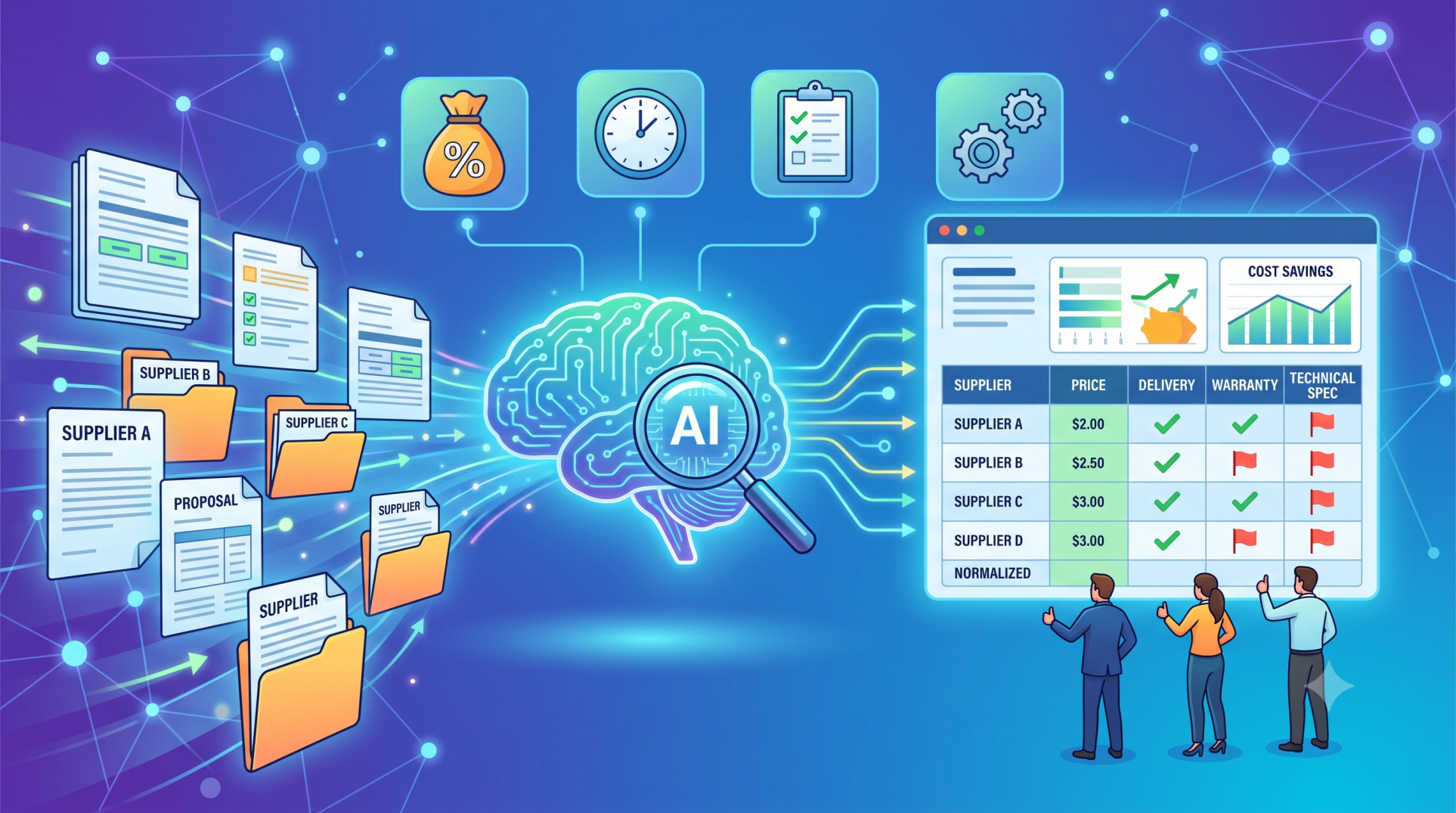
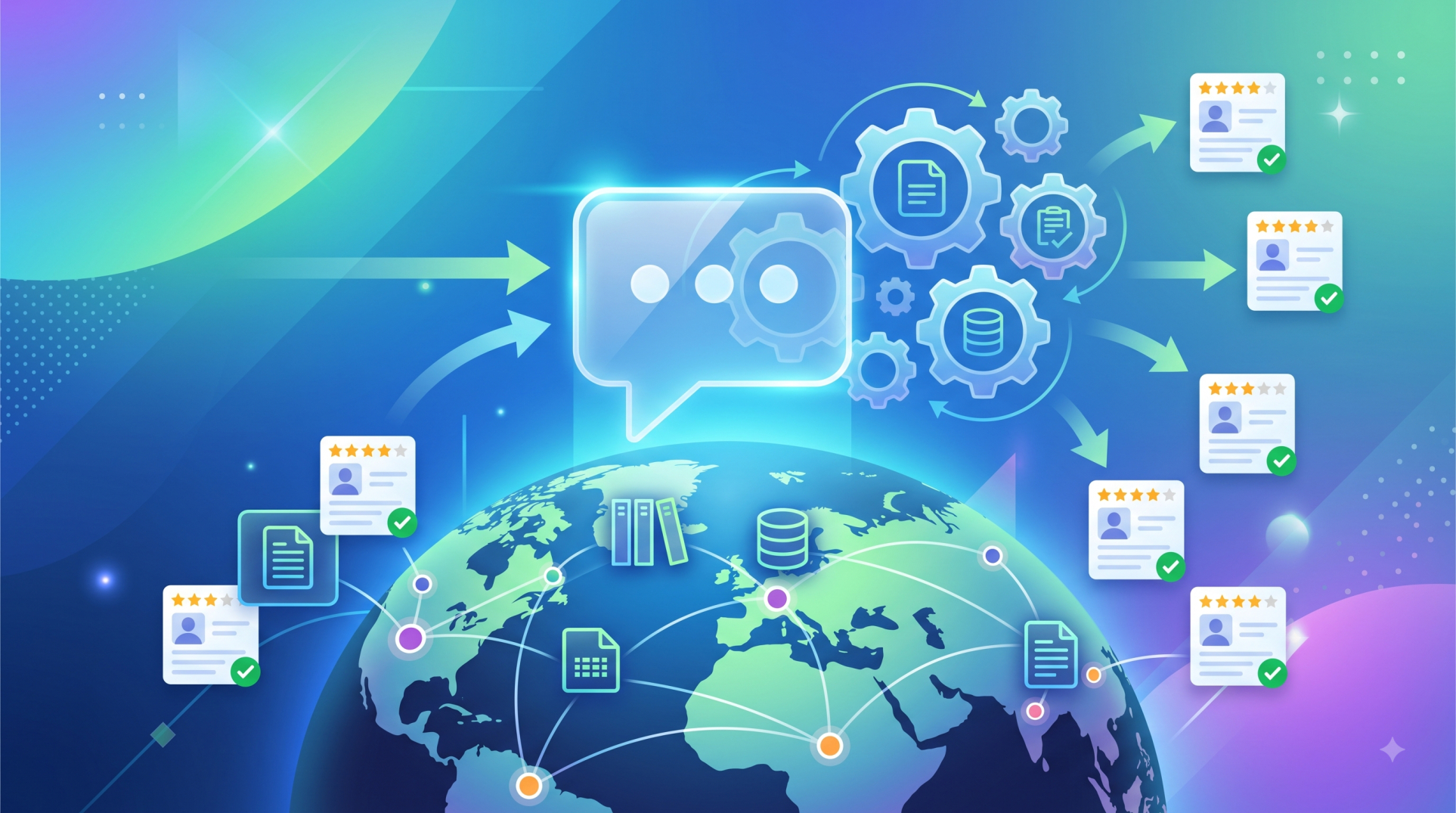
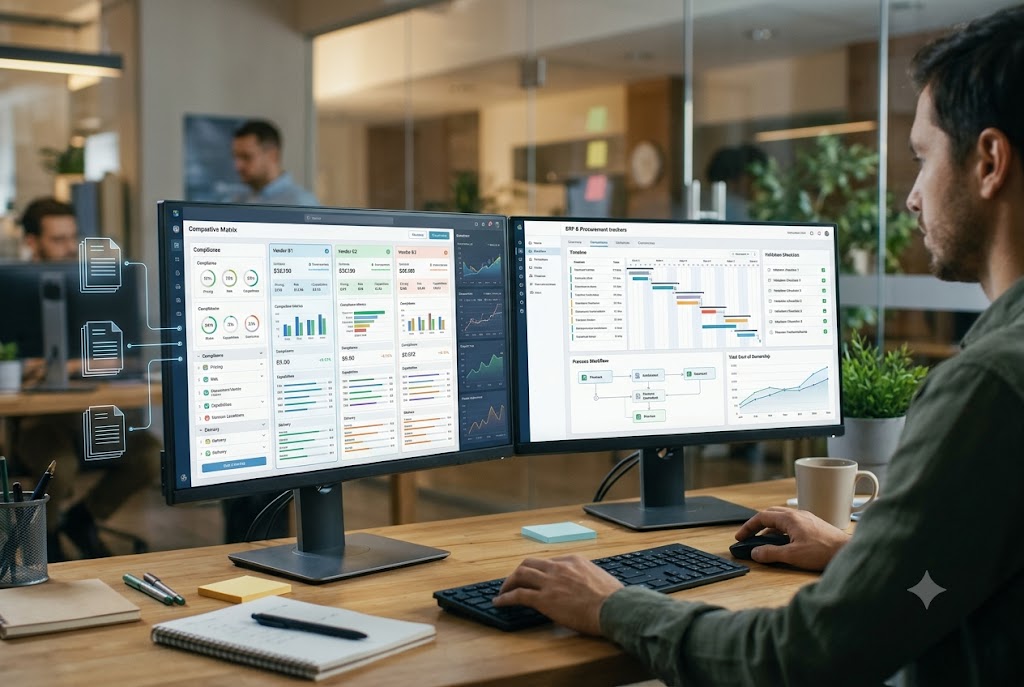
• Generate side-by-side vendor comparison reports using standardized evaluation criteria. 📋
• Summarize key differences in pricing, specifications, delivery, and service conditions. 🔎
• Highlight missing information and deviations from procurement requirements. ⚠️
• Display weighted evaluation scores with clear explanations of the scoring method. 🎯
• Provide source references so procurement teams can verify important findings. 📚
Step 9: Supporting Procurement Decisions 👥
• Present vendor strengths, limitations, costs, and risks in a consistent format. 📊
• Allow procurement teams to adjust evaluation weights when business priorities change. ⚙️
• Route high-value purchases and exceptional cases through established approval processes. 📝
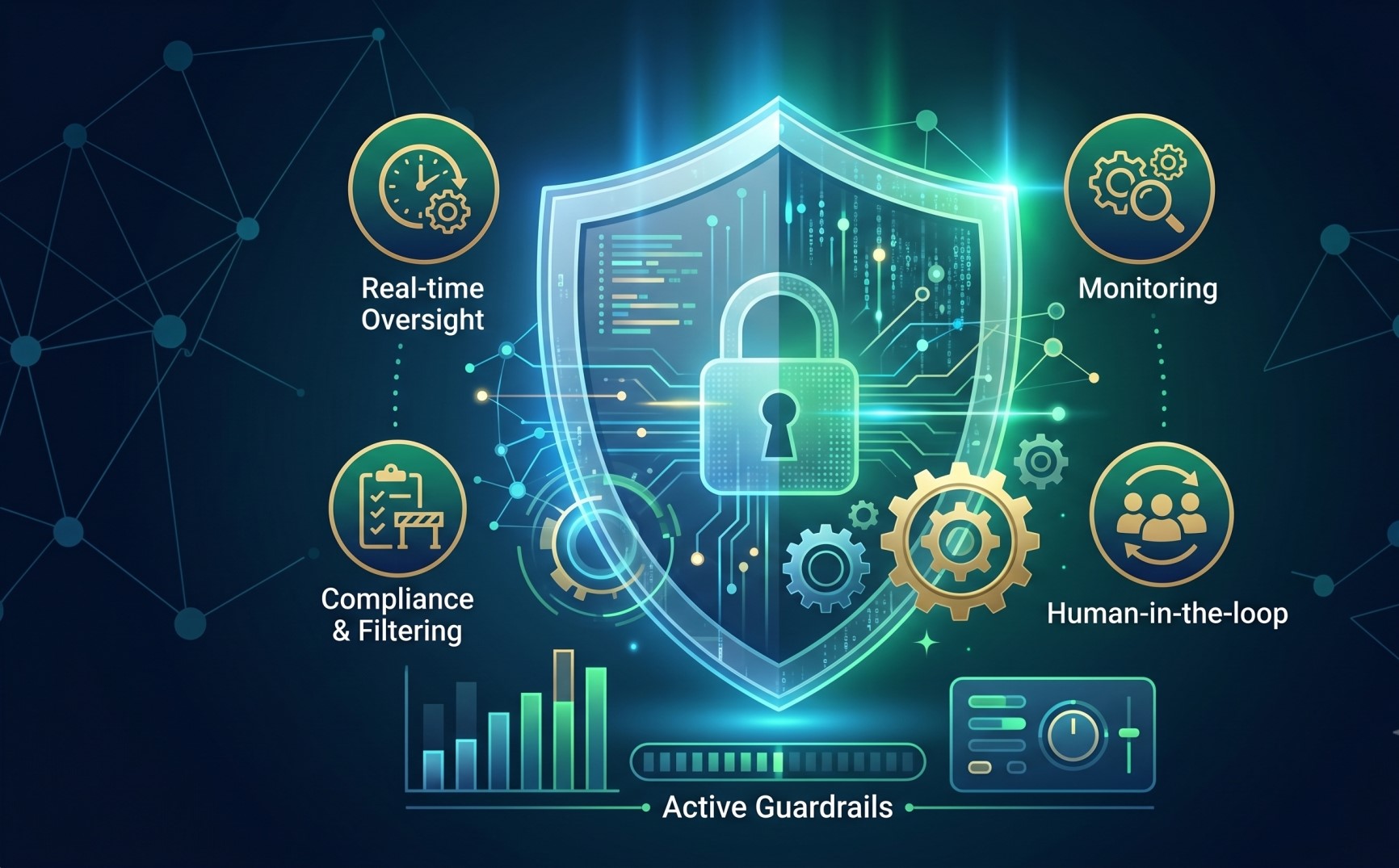
• Keep final vendor selection aligned with organizational policies and authorized decision-makers. 🛡️
• Record evaluation outcomes to support accountability and future supplier reviews. ✅
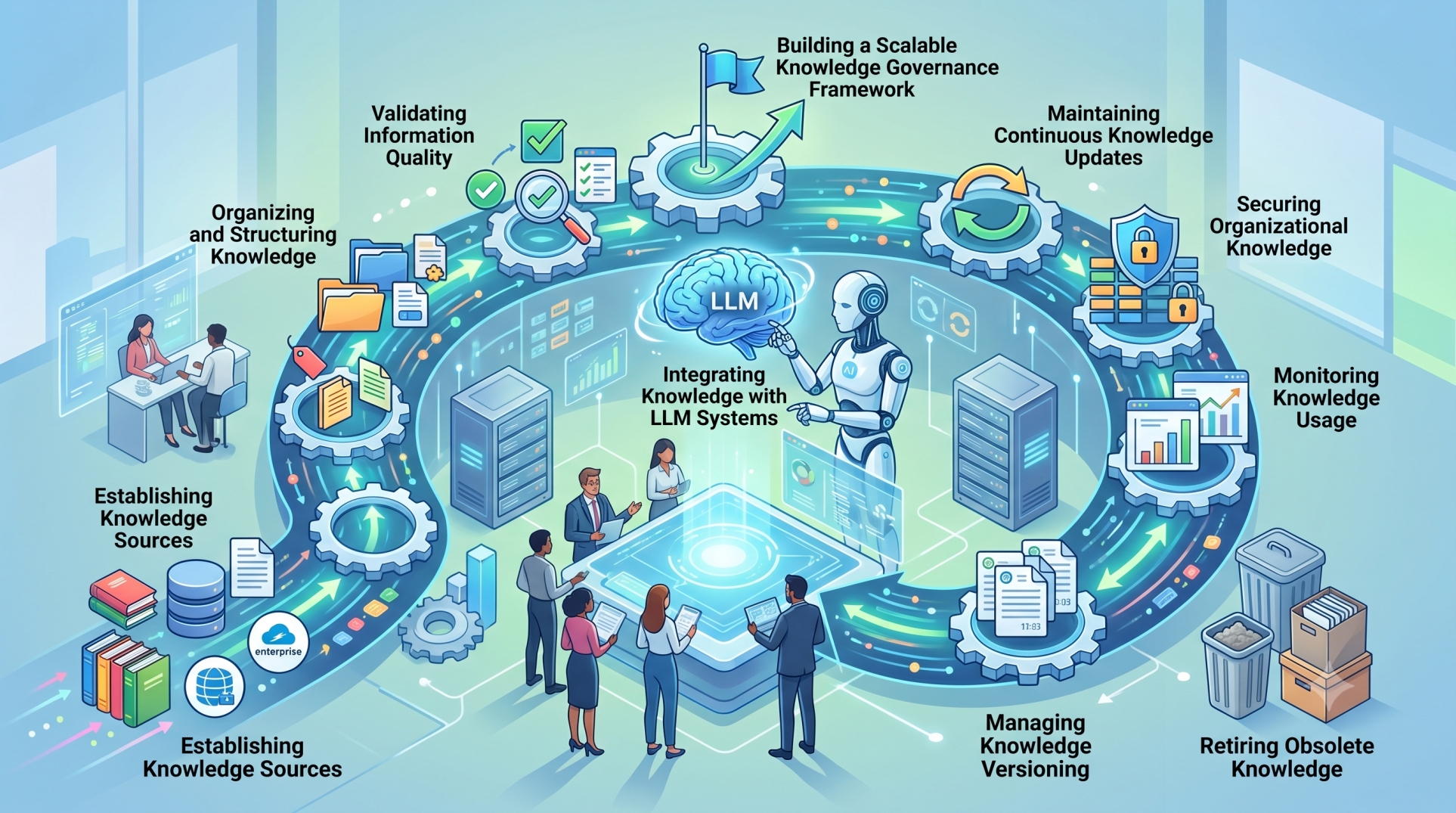
Step 10: Building a Scalable AI Procurement Platform 🚀
• Design modular comparison workflows that support different procurement categories. 🧩
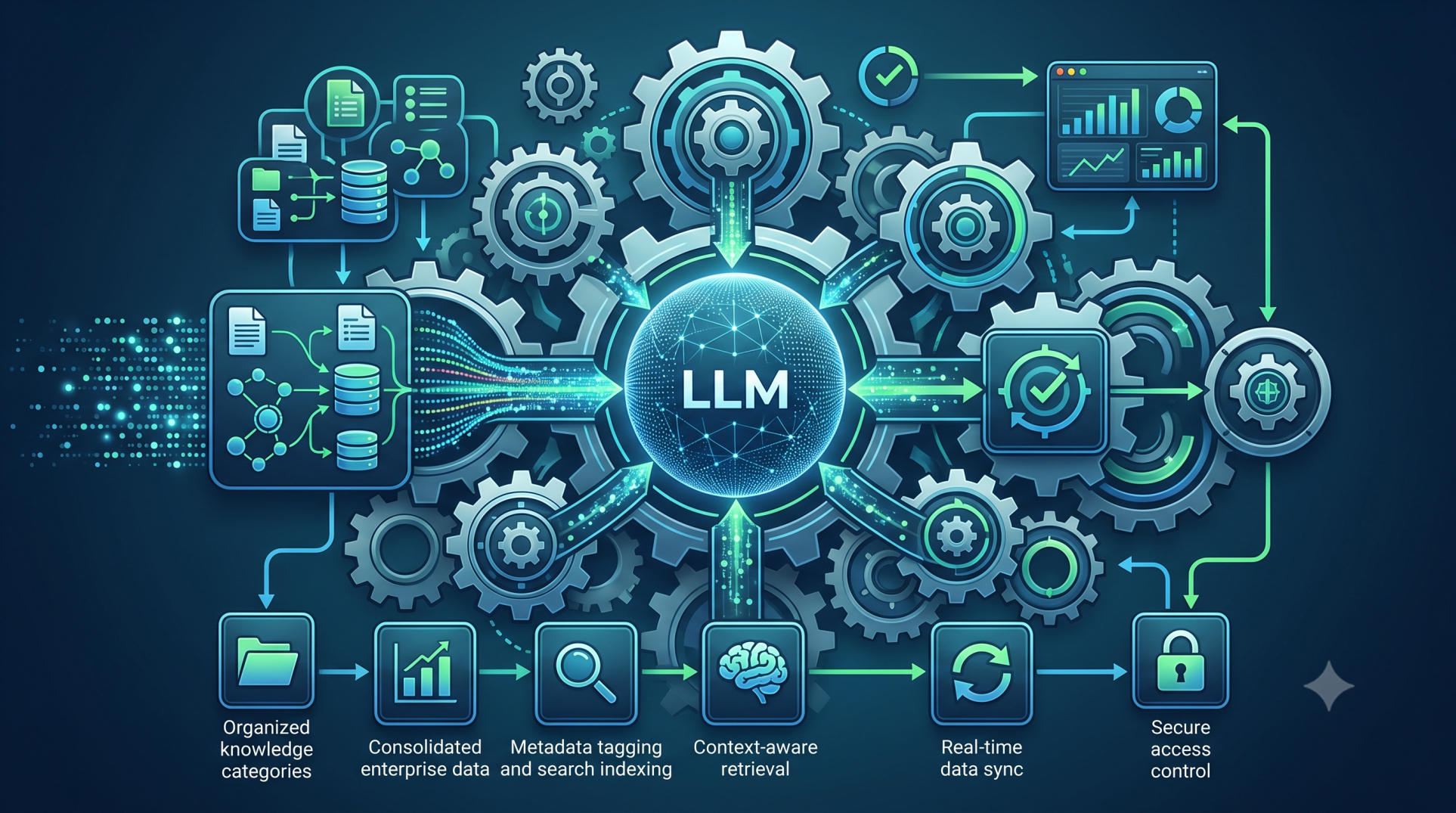
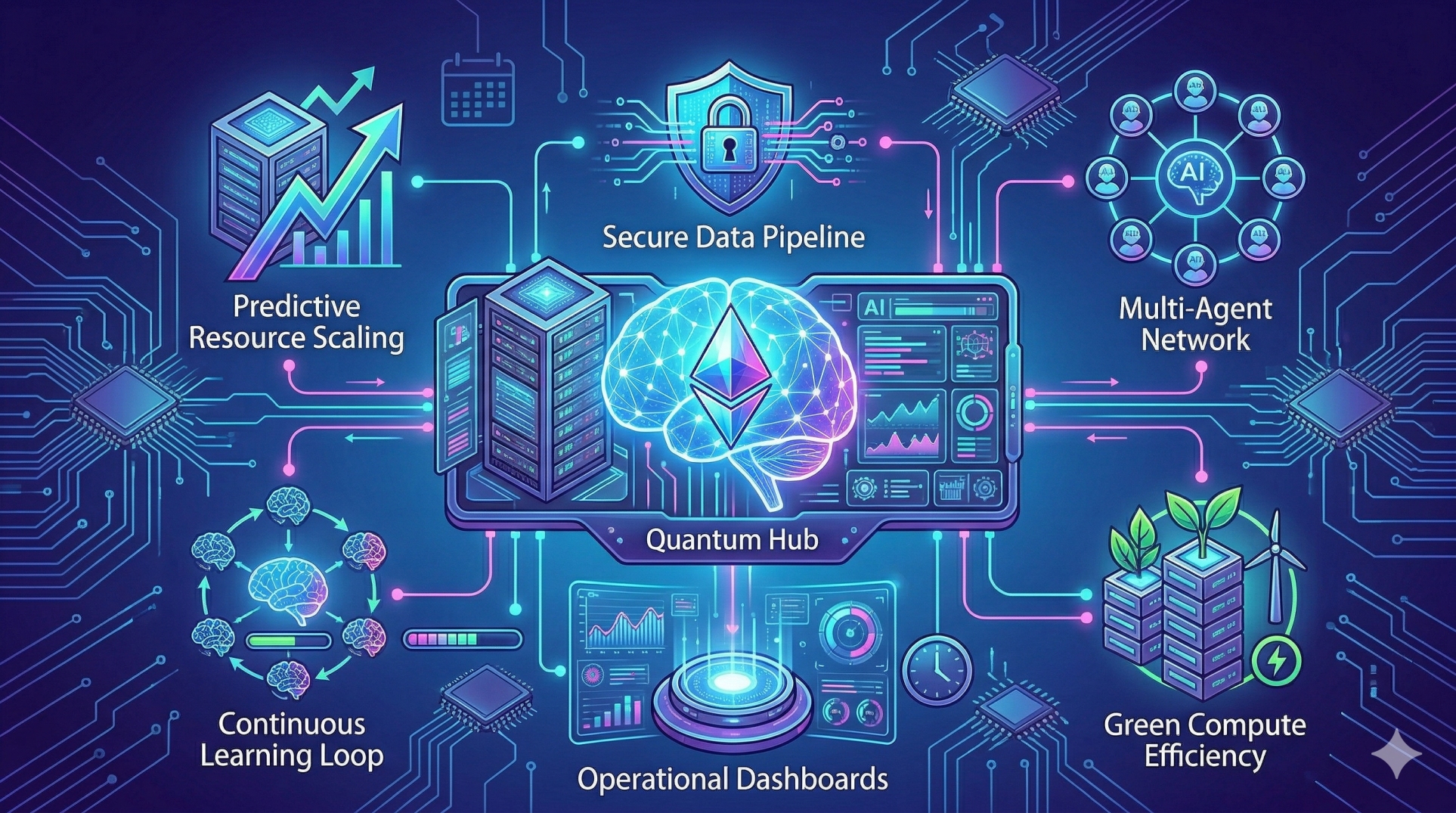
• Integrate document extraction, AI analysis, validation, and reporting into a connected architecture. 🔗
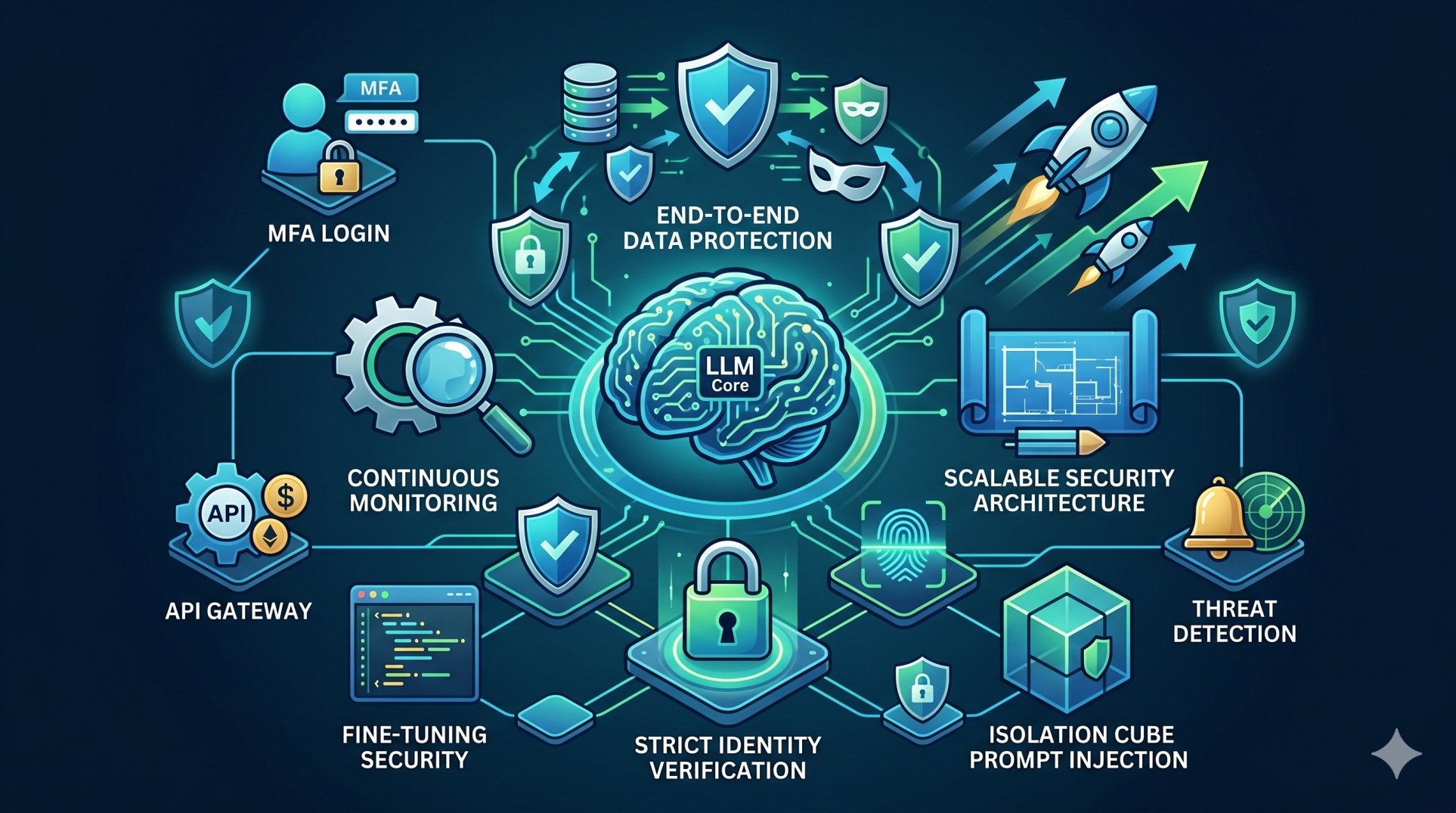
• Protect confidential pricing, supplier information, and contractual data through access controls. 🔐
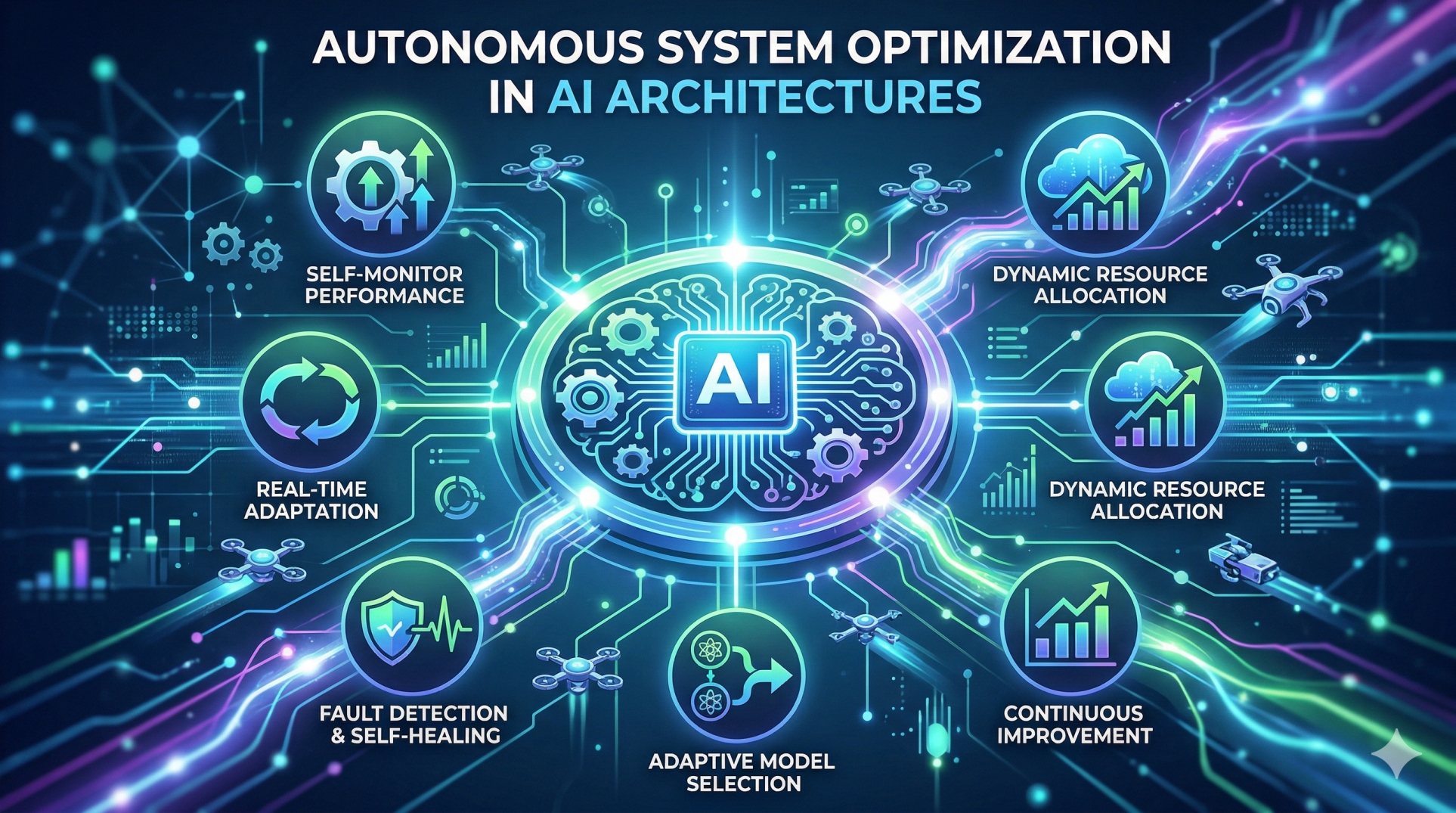
• Monitor extraction accuracy, evaluation consistency, and processing performance. 📈
• Continuously improve comparison workflows as supplier networks and business requirements evolve. 🔄
Conclusion
AI-powered vendor comparison can help enterprise procurement teams transform complex supplier evaluations into more structured and efficient workflows. By combining document extraction, cost analysis, technical evaluation, risk assessment, and ERP integration, organizations can reduce manual review effort while improving visibility into competing vendor proposals. The most effective systems combine AI-driven analysis with standardized evaluation criteria, verifiable source information, and human oversight. This approach helps businesses make more consistent procurement decisions while maintaining transparency, accountability, and control over supplier selection.
See more blogs
You can all the articles below