Developing Conversational AI Agents That Answer Business Calls and Resolve Customer Requests

Businesses receive calls every day from customers seeking information, requesting services, scheduling appointments, checking order statuses, and resolving common issues. Managing these interactions manually can increase employee workloads and create delays during busy periods. Conversational AI agents provide an intelligent way to handle business calls by understanding customer intent, accessing connected systems, and completing appropriate tasks through natural conversations.
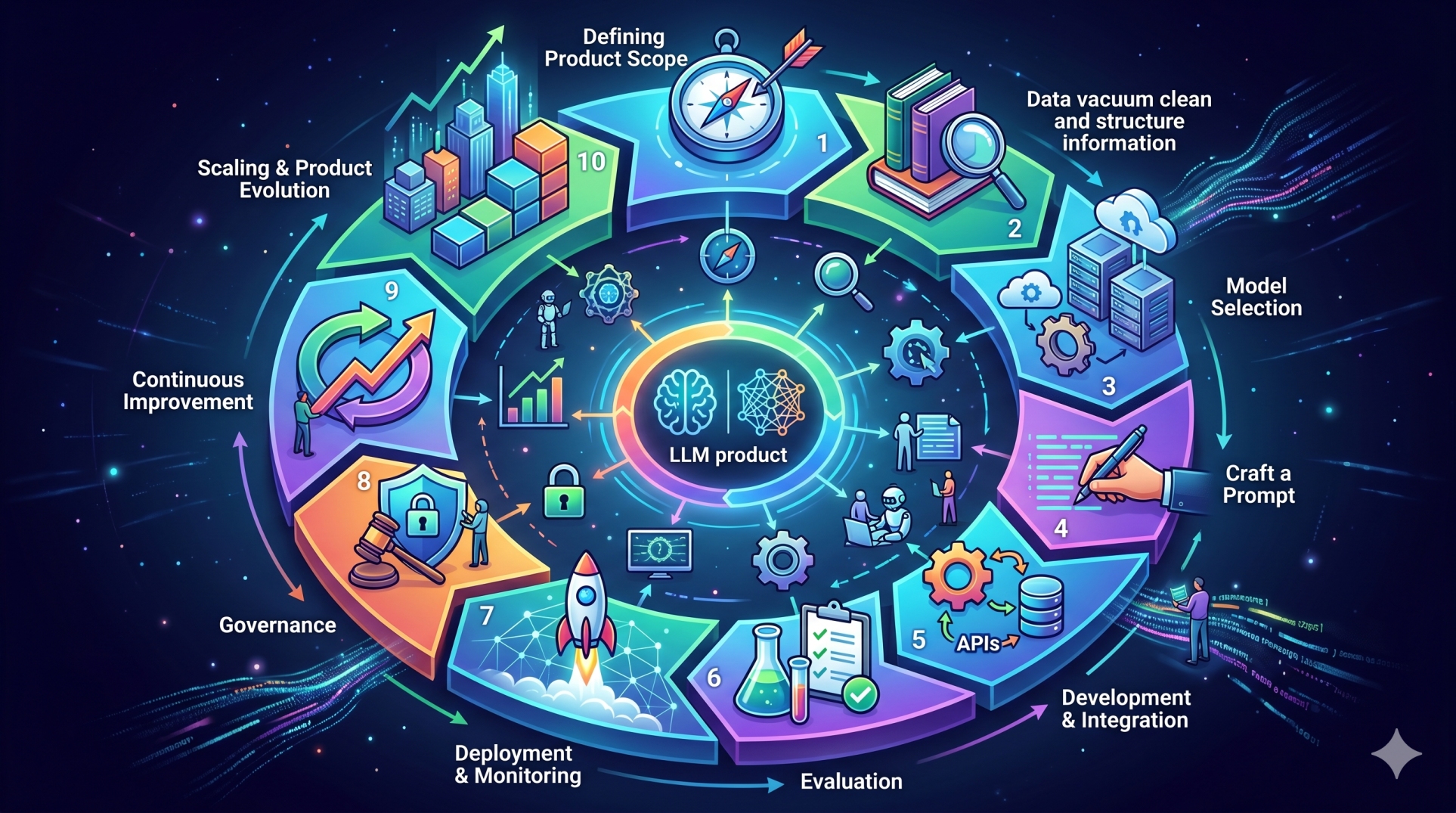
Step 1: Understanding Business Call Requirements 📞
• Identify common reasons customers contact the business. 🔎
• Categorize incoming requests such as inquiries, bookings, complaints, and service requests. 📋
• Define which tasks can be handled automatically and which require human assistance. 👥
• Establish clear conversation workflows for different customer scenarios. ⚙️
• Design the AI agent around actual business processes rather than generic responses. 🎯
Step 2: Building Natural Language Understanding 🧠
• Use speech recognition to convert incoming calls into text. 🎙️
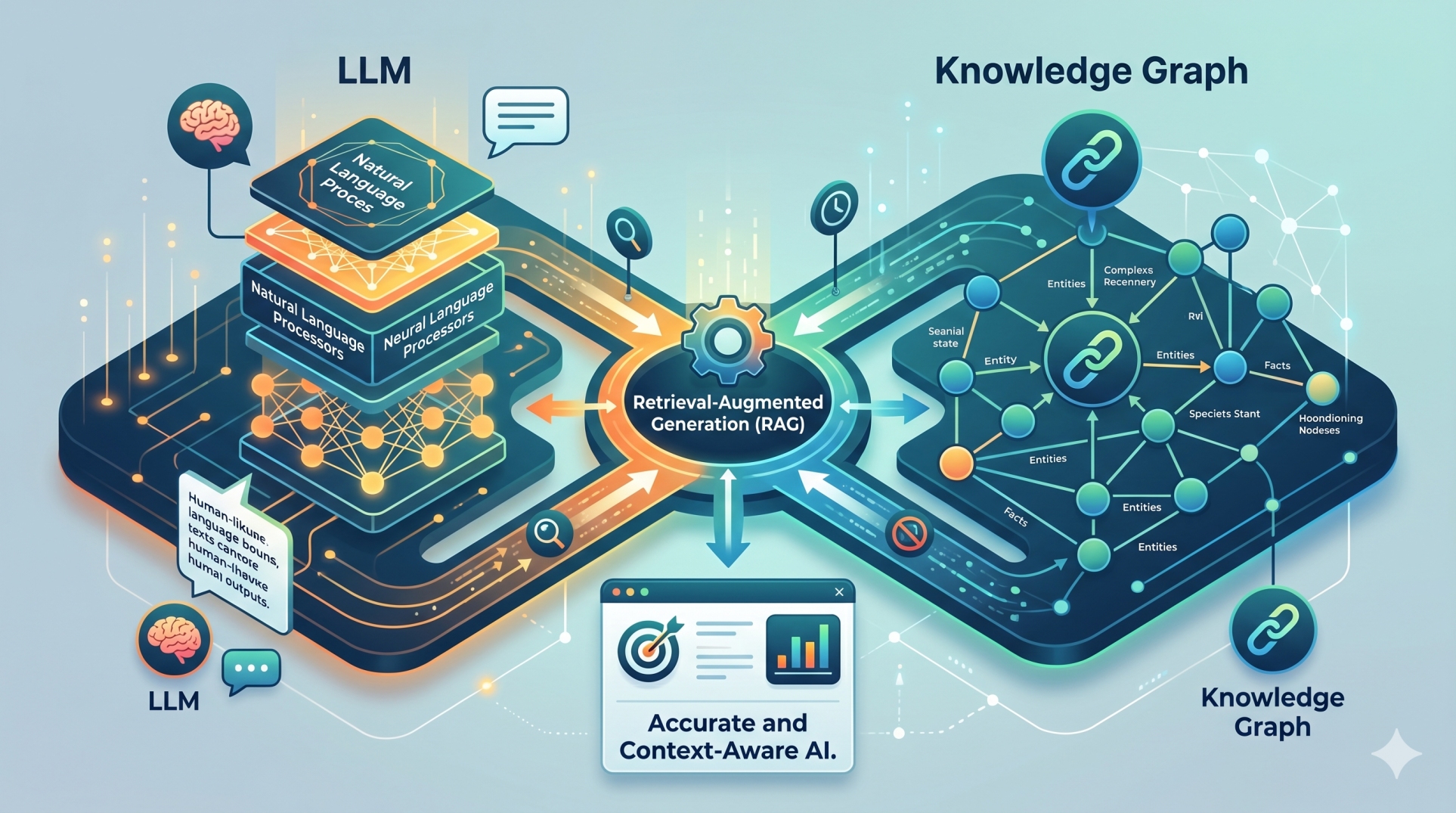
• Apply LLMs to understand customer questions and identify their intentions. 💡
• Recognize different ways customers express the same request. 🔍
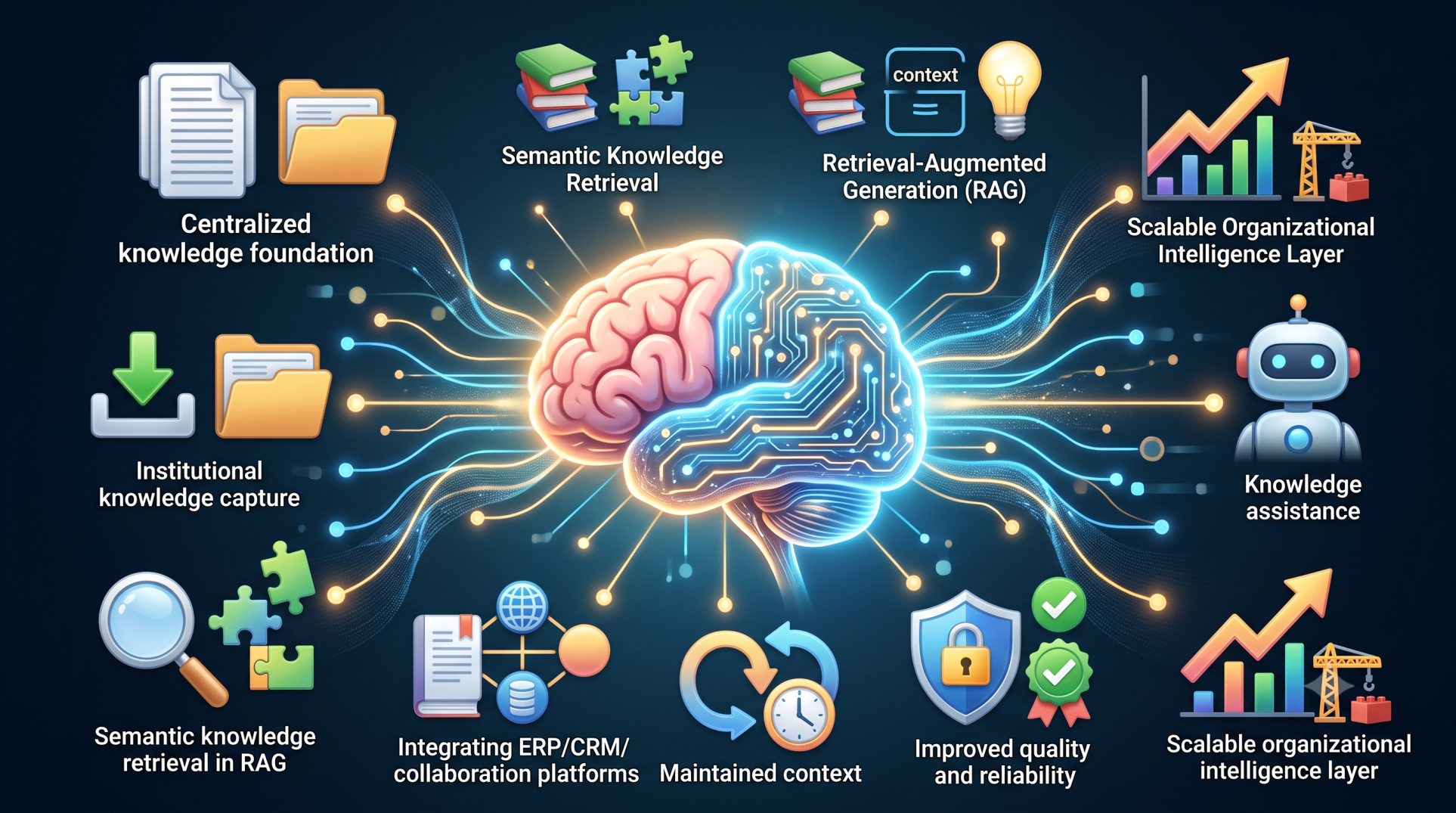
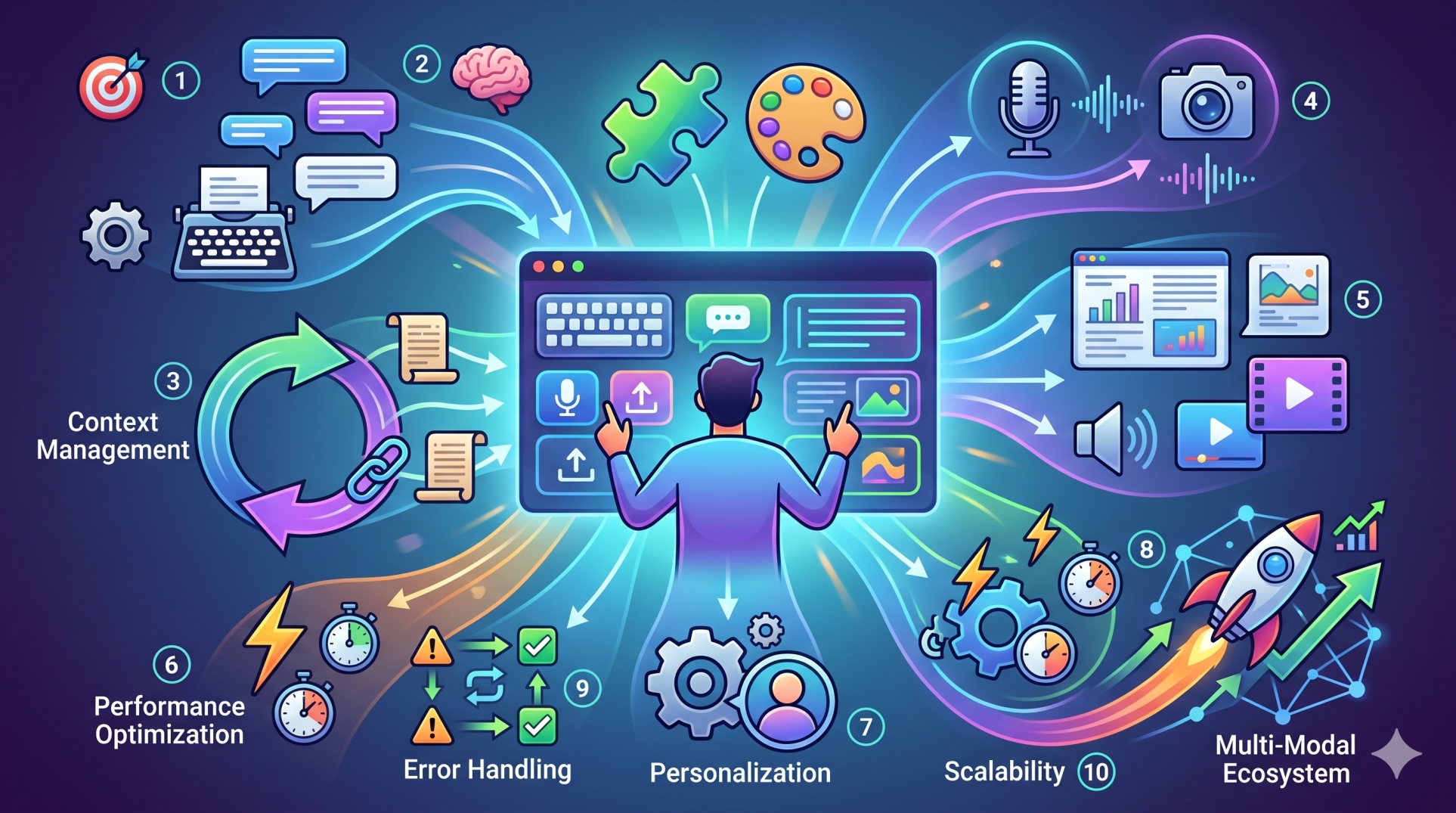
• Maintain conversation context across multiple questions and responses. 🔄
• Handle interruptions, corrections, and incomplete customer statements naturally. 💬
Step 3: Designing Real-Time Voice Interactions 🗣️
• Integrate high-quality text-to-speech technology for natural voice responses. 🔊
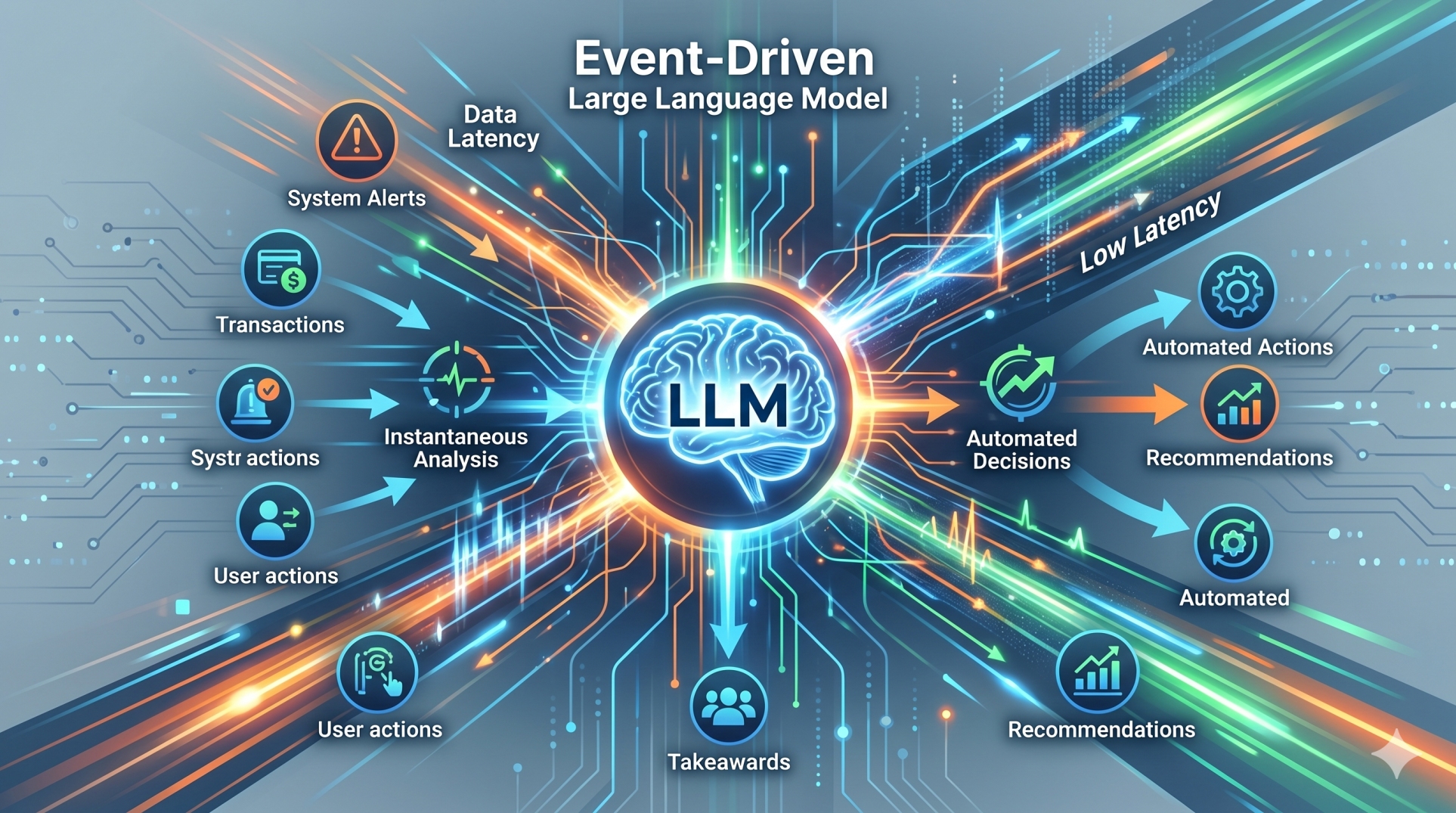
• Optimize speech processing to reduce conversation delays. ⚡
• Support smooth turn-taking and customer interruptions. 🤝
• Adjust responses according to the context and complexity of each request. 🎯
• Create consistent voice experiences across different business departments. 🏢
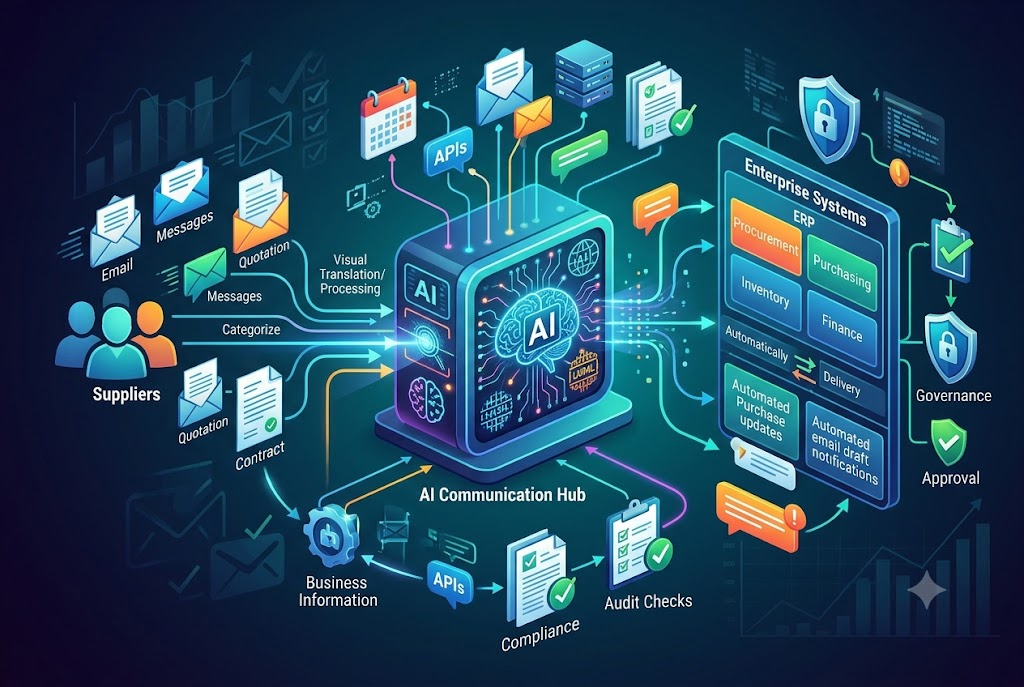
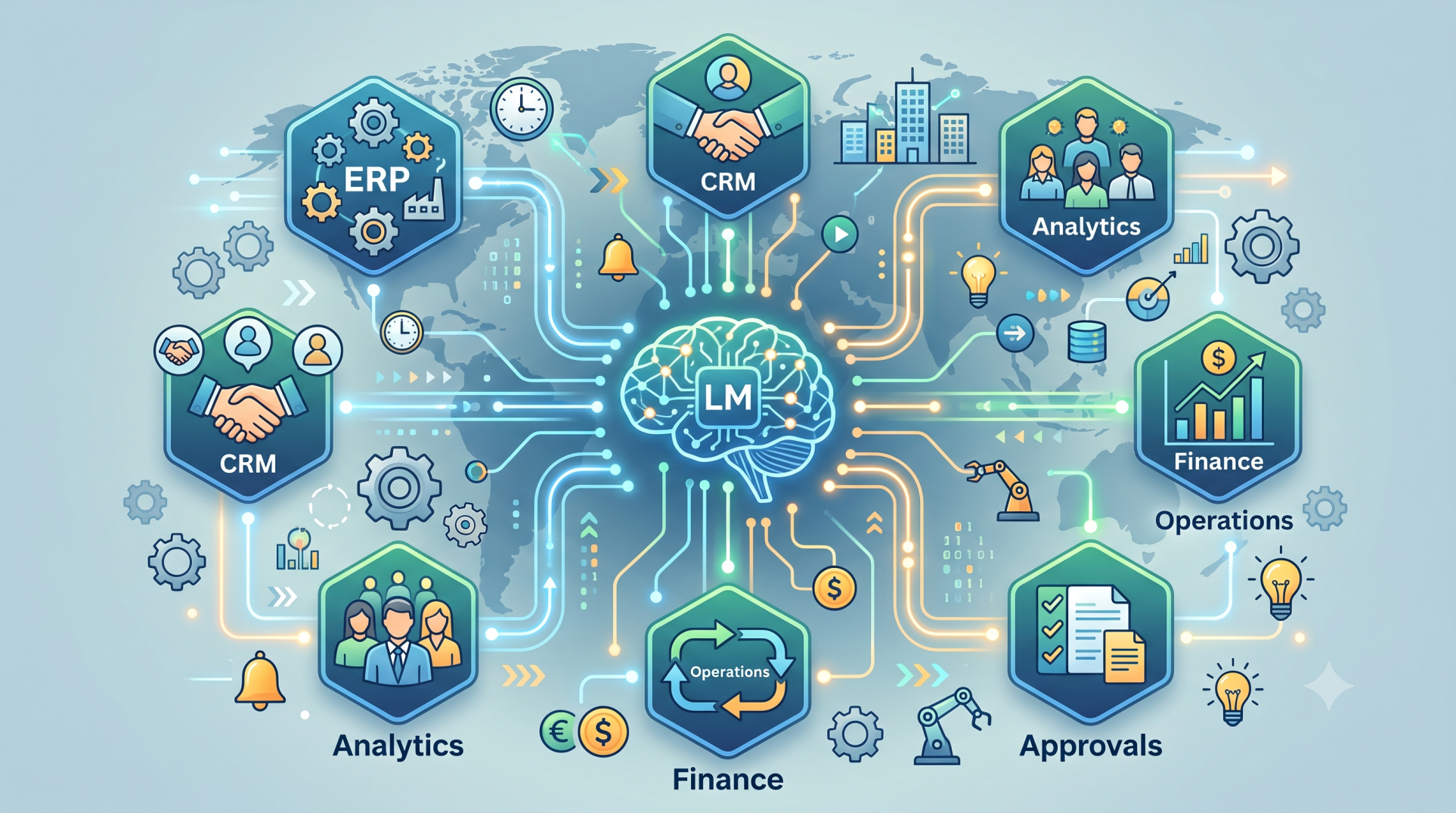
Step 4: Connecting AI Agents with Business Systems 🔗
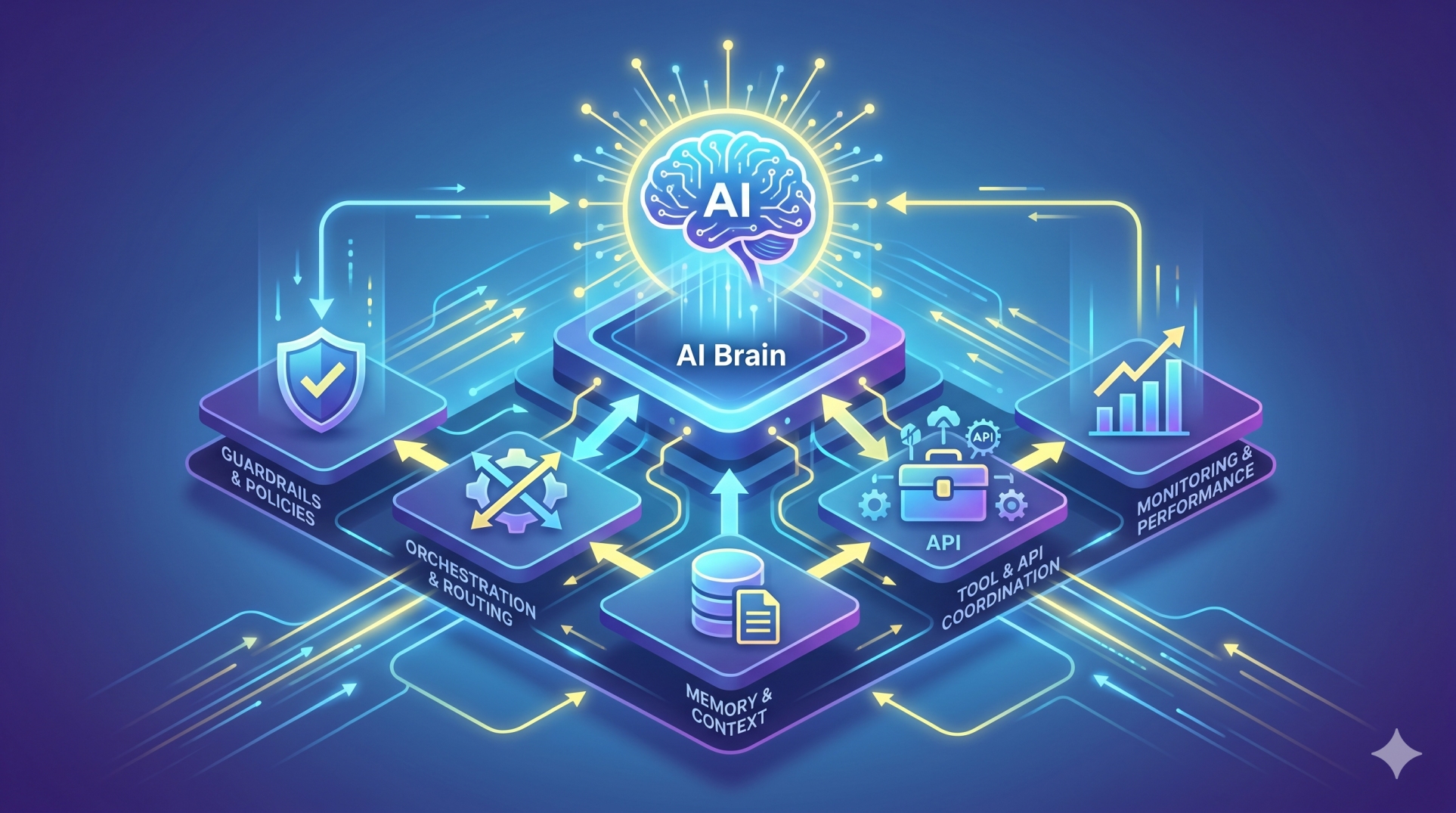
• Integrate AI agents with CRM, ERP, booking, and customer management platforms. 🗂️
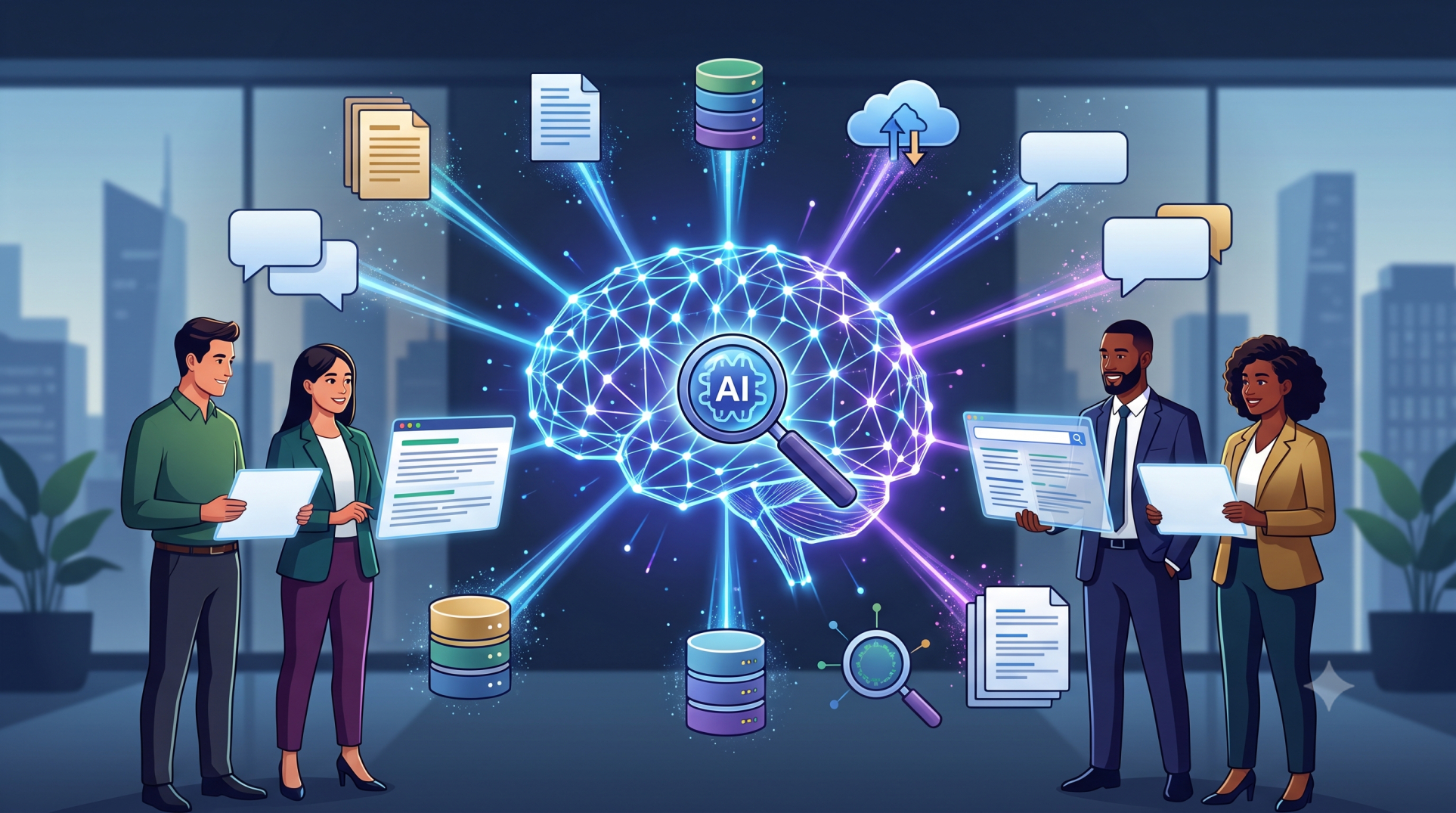
• Retrieve customer information from authorized business data sources. 📊
• Connect APIs to access real-time operational information. 🌐
• Synchronize customer requests with existing business workflows. 🔄
• Ensure that every integration follows appropriate authentication and access controls. 🔐
Step 5: Automating Customer Requests ⚙️
• Handle appointment scheduling and reservation requests automatically. 📅
• Retrieve order information and provide delivery or service updates. 📦
• Capture customer details and create service requests. 📝
• Process routine account inquiries using authorized system information. 💼
• Execute supported business actions and communicate their confirmed results. ✅
Step 6: Implementing Intelligent Conversation Memory 🧠
• Maintain relevant conversation context throughout each customer interaction. 🔄
• Remember details already provided during the active call. 📋
• Avoid repeatedly asking customers for the same information. 💬
• Retrieve authorized customer history when it is relevant to the request. 🔎
• Apply appropriate data retention and privacy controls to stored conversation information. 🔐
Step 7: Handling Complex Requests and Escalations 👥
• Identify requests that require additional investigation or specialized support. 🔍
• Detect unclear, conflicting, or incomplete customer information. ⚠️
• Ask targeted follow-up questions before taking important actions. 💬
• Transfer complex cases to the appropriate human representative. 🤝
• Provide relevant conversation context to staff during escalation. 📝
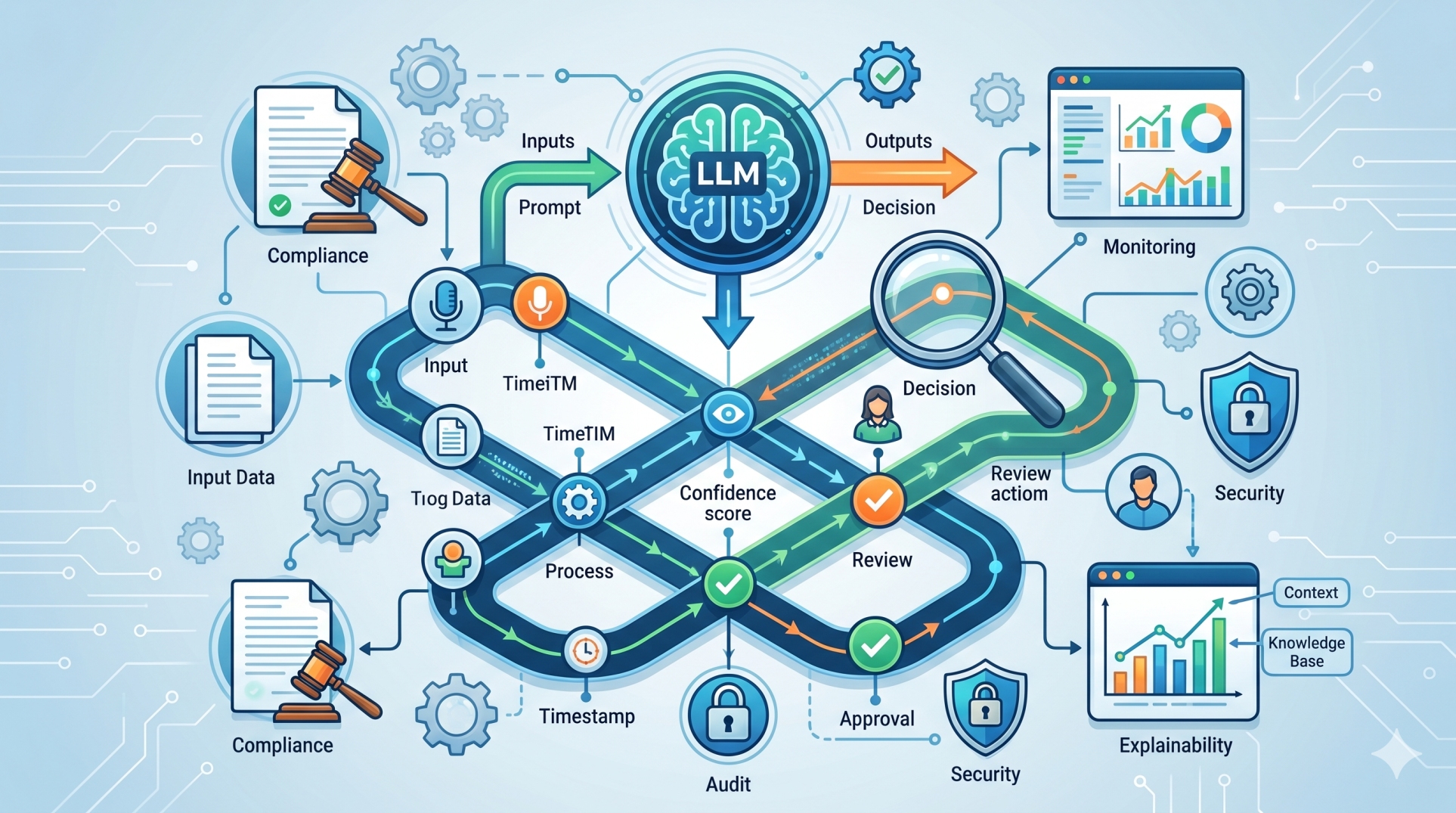
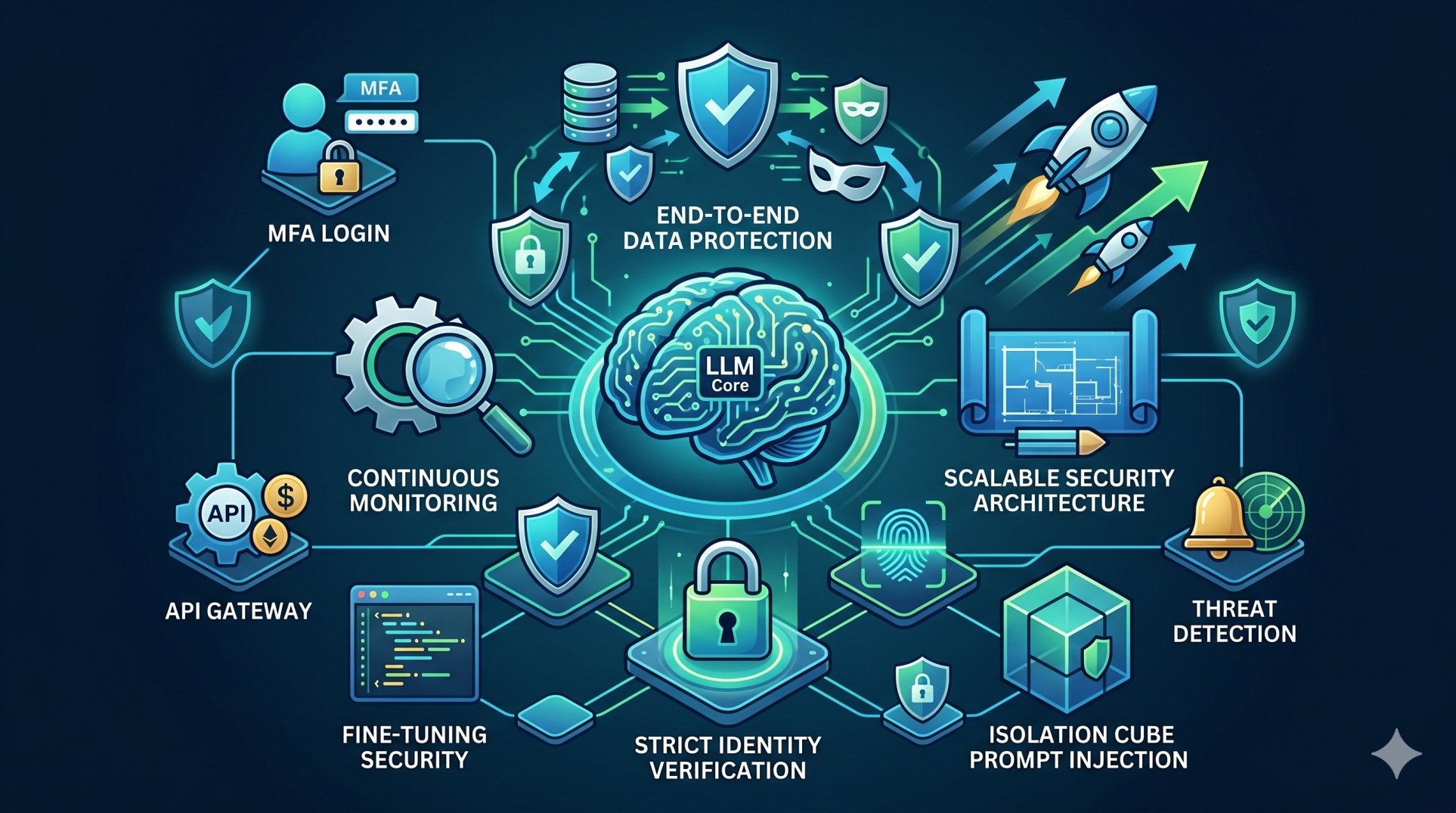
Step 8: Ensuring Security and Transaction Reliability 🔐
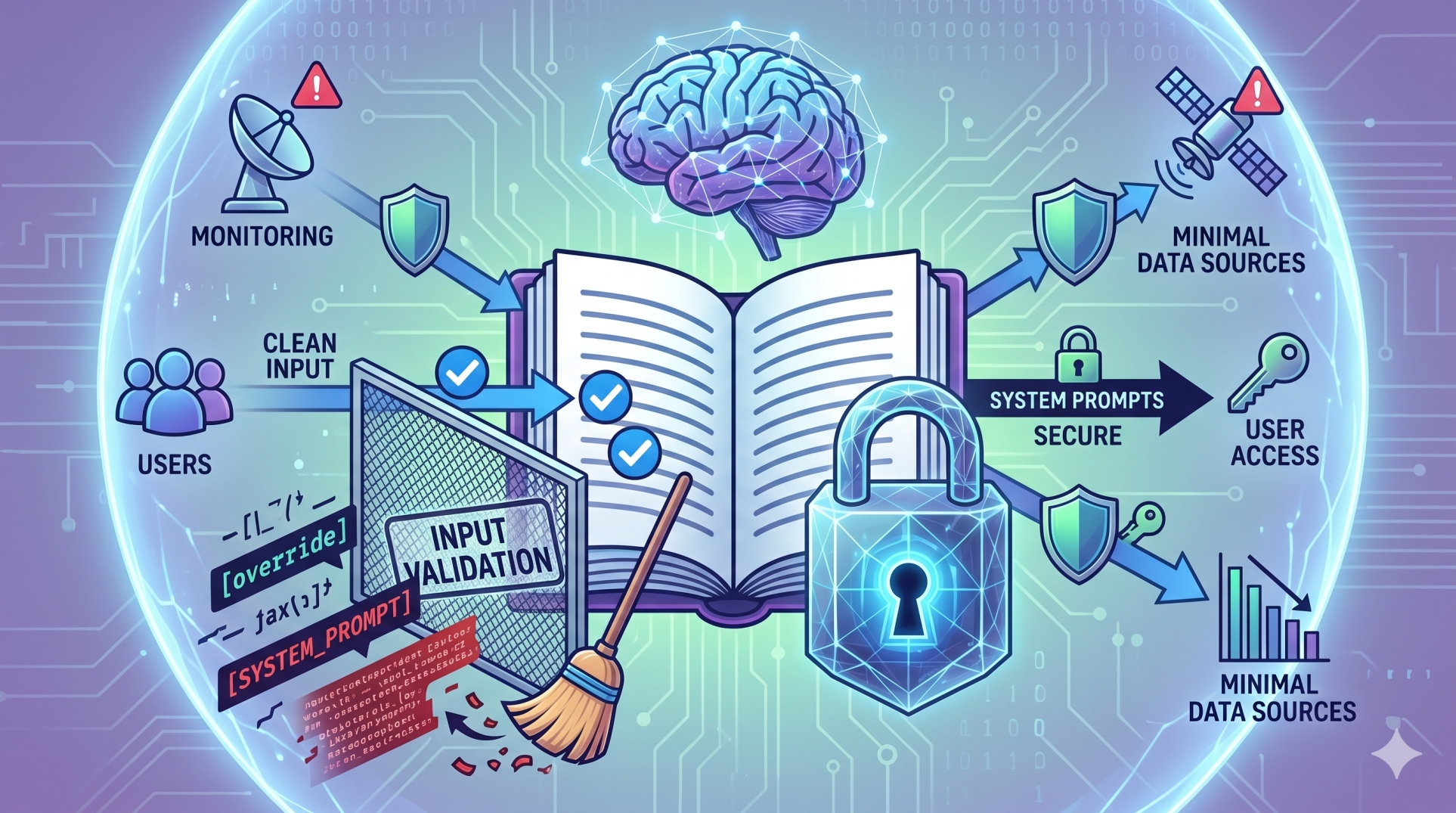
• Authenticate customers before accessing sensitive account information. 🛡️
• Apply role-based permissions to AI tools and connected business systems. 🔒
• Validate information before creating bookings, modifying records, or submitting requests. ✅
• Prevent duplicate transactions through appropriate validation and idempotency controls. ⚙️
• Maintain audit records for important AI actions and customer interactions. 📊
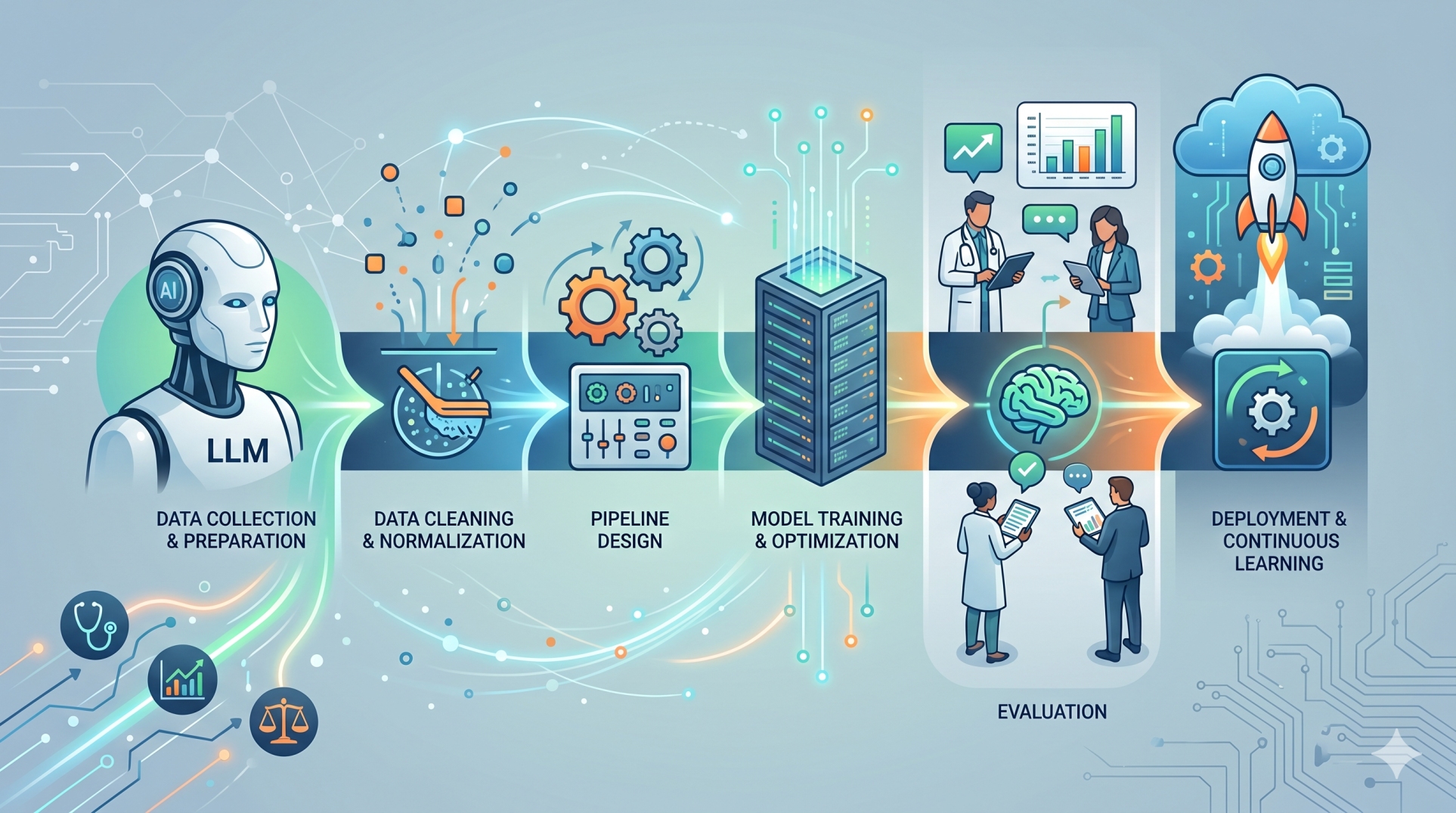
Step 9: Monitoring Performance and Customer Experience 📈
• Track incoming call volumes and automated resolution rates. 📊
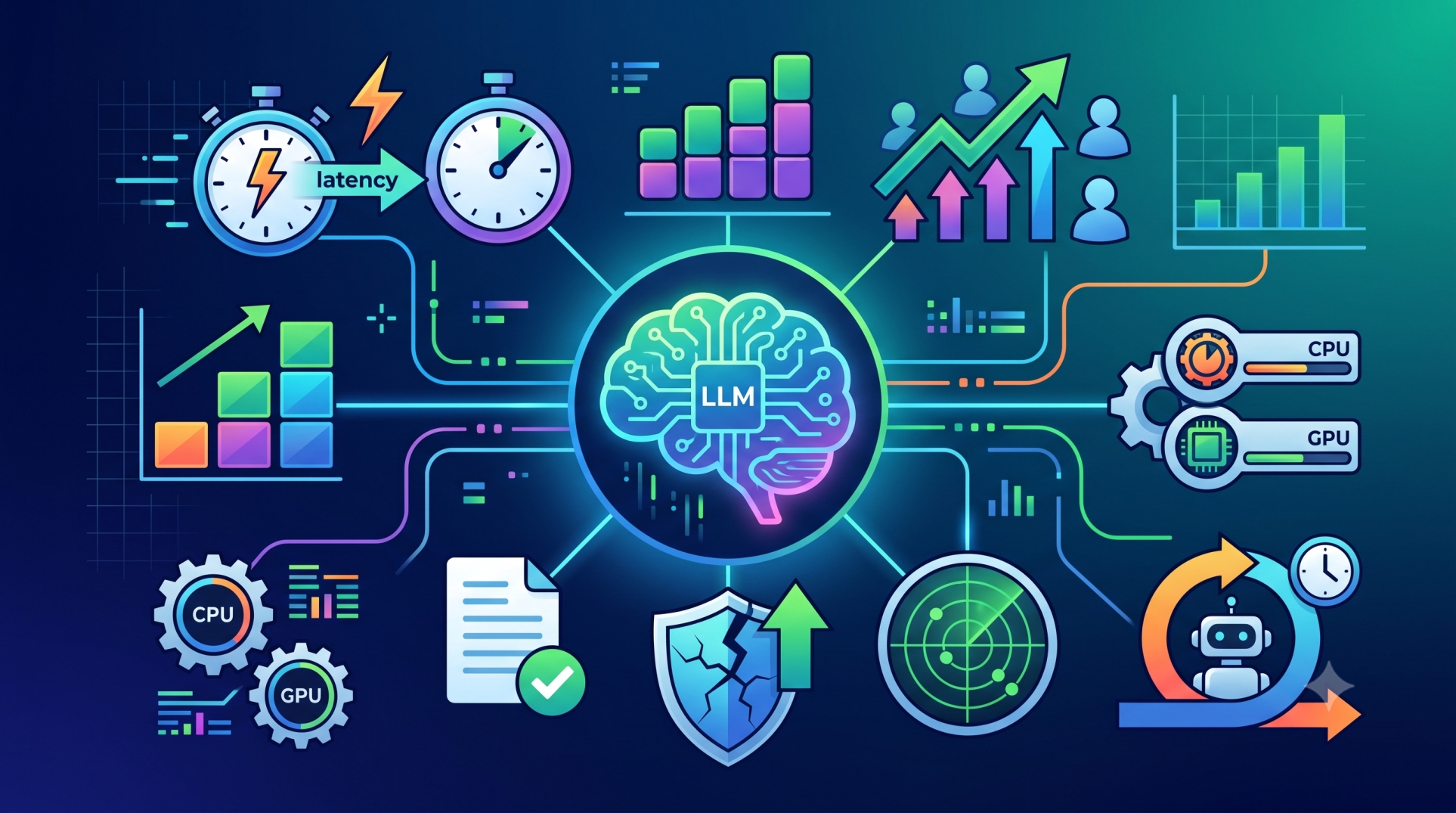
• Measure response latency and speech recognition accuracy. ⚡
• Monitor successful bookings, completed requests, and escalation frequency. 🎯
• Analyze customer feedback to identify conversation improvements. 💡
• Continuously refine prompts, workflows, and integration logic. 🔄
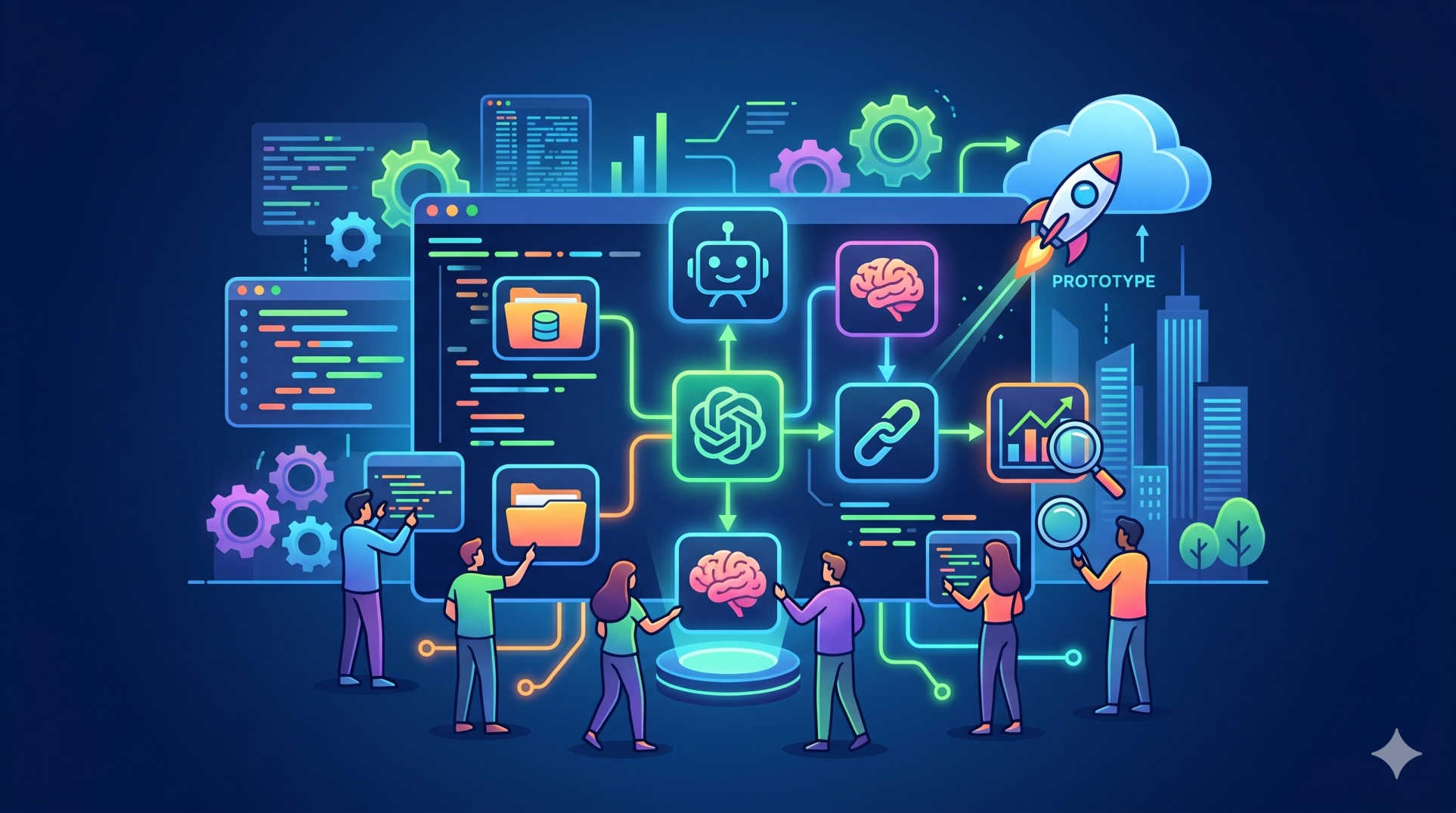
Step 10: Building Scalable Conversational AI Platforms 🚀
• Design reusable AI agent workflows for different industries and business functions. 🧩
• Support multiple phone numbers, departments, and business locations. 🌐
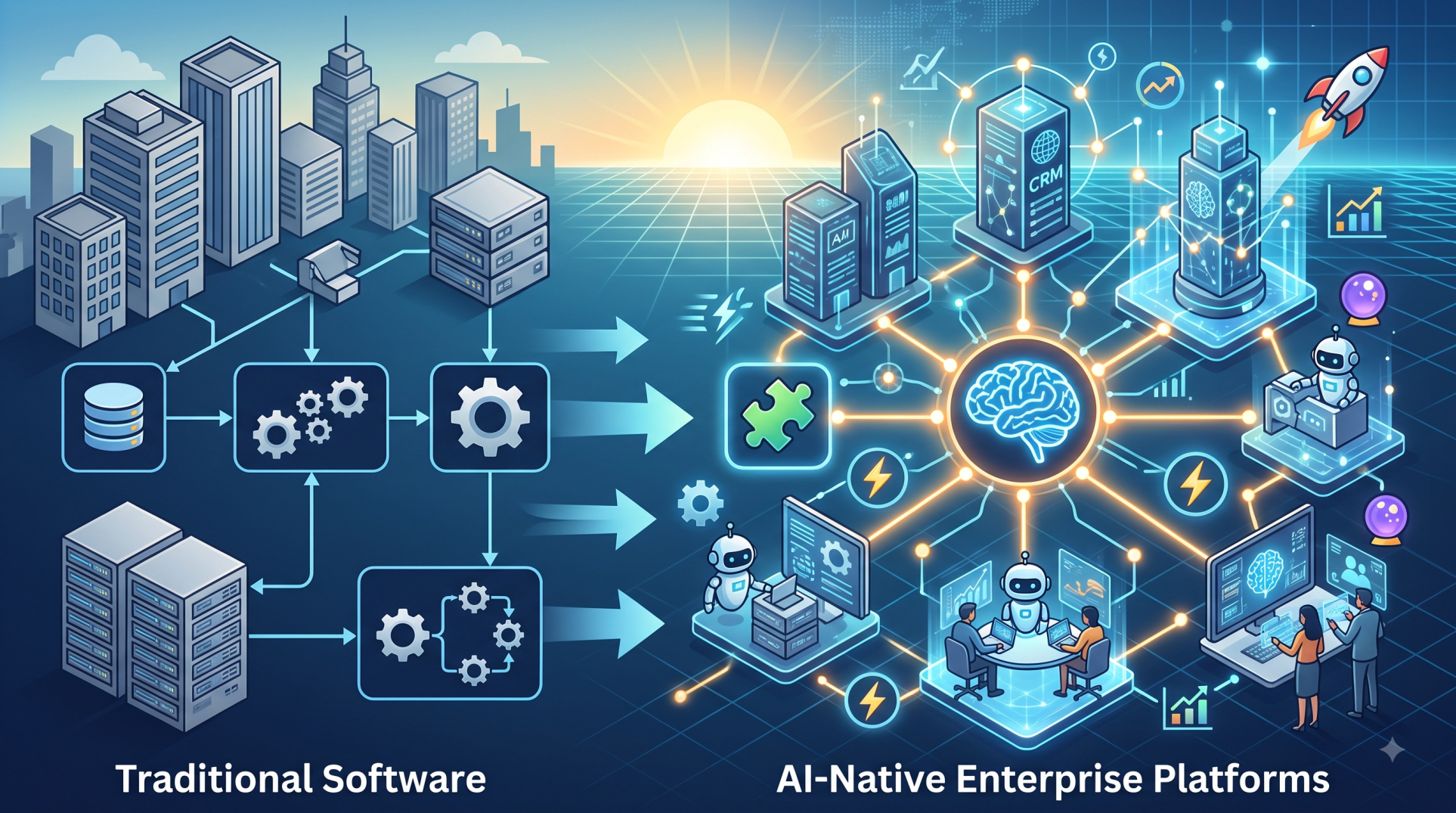
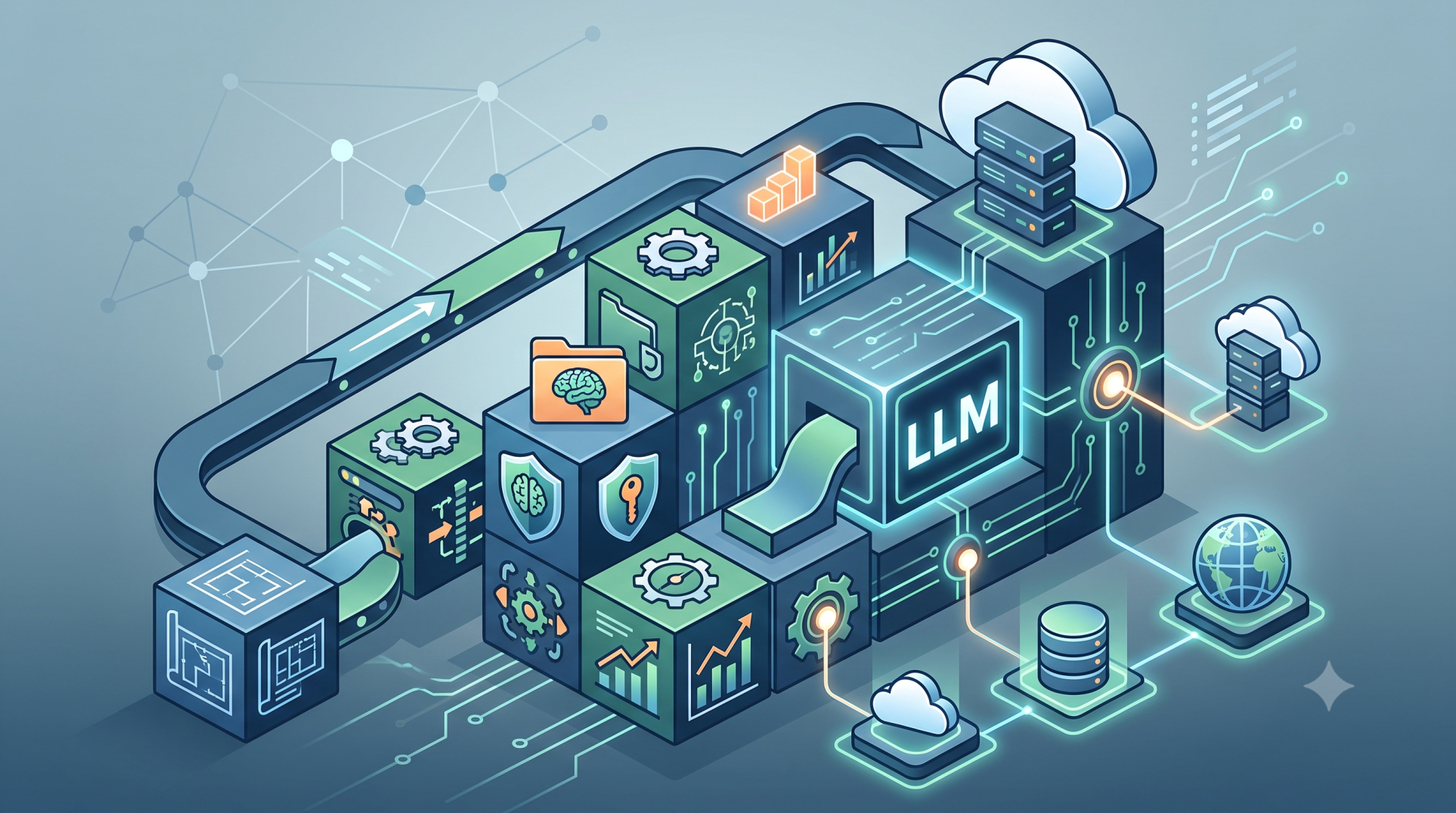
• Integrate telephony platforms, CRM systems, databases, and enterprise applications. 🔗
• Build reliable infrastructure to handle increasing call volumes. 🏗️
• Expand capabilities as business requirements and customer expectations evolve. 📈
Conclusion
Conversational AI agents are transforming how businesses manage incoming calls and customer interactions. By combining speech recognition, language models, voice synthesis, conversation memory, and real-time system integrations, organizations can move beyond automated answering toward intelligent customer request resolution. The effectiveness of these systems depends on their ability to understand customer intent, access accurate business information, execute authorized actions, and recognize when human assistance is necessary. With reliable architecture and continuous optimization, conversational AI can become an important part of modern customer service operations.
See more blogs
You can all the articles below