How AI Phone Agents Can Manage Multiple Customer Calls Simultaneously
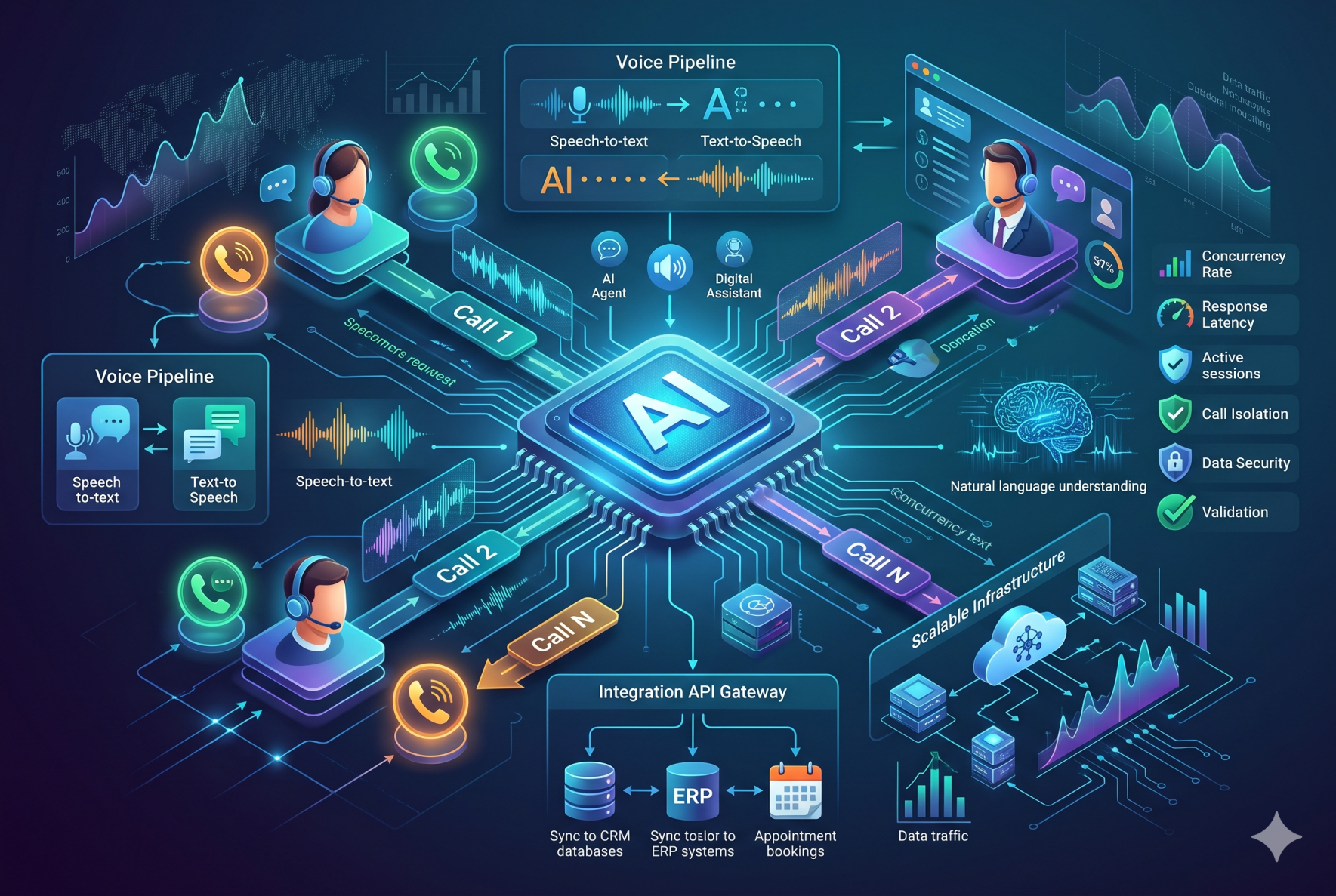
Businesses often experience periods when multiple customers call at the same time, creating pressure on customer support teams and increasing the possibility of missed calls. Traditional phone systems may require additional staff or waiting queues to manage growing call volumes. AI phone agents offer a different approach by handling multiple independent conversations simultaneously through automated voice processing, intelligent conversation management, and real-time business integrations.
Step 1: Understanding Simultaneous Call Handling 📞
• Allow AI phone agents to manage multiple incoming calls without requiring a separate human representative for every conversation. 🔄
• Create independent conversation sessions for individual callers. 👥
• Maintain separate customer information and interaction histories for each active call. 🗂️
• Allocate system resources according to active call volumes. ⚙️
• Ensure that one customer's conversation does not interfere with another customer's interaction. 🔐
Step 2: Building a Scalable Voice Infrastructure 🏗️
• Integrate cloud telephony platforms to receive and manage incoming calls. ☁️
• Use scalable communication infrastructure to support increasing call volumes. 📈
• Establish separate processing sessions for concurrent conversations. 🔗
• Manage audio streams efficiently across multiple active calls. 🎙️
• Configure infrastructure capacity according to expected traffic and performance requirements. ⚡
Step 3: Processing Multiple Voice Conversations 🎙️
• Convert incoming customer speech into text using automatic speech recognition. 🧠
• Process conversation inputs independently for each active call. 🔄
• Generate contextual responses using LLM-based reasoning. 💡
• Convert generated responses into natural speech using text-to-speech technology. 🔊
• Maintain smooth communication without unnecessary delays between customer interactions. ⚡
Step 4: Maintaining Independent Conversation Context 🧠
• Create separate session identifiers for every active customer call. 🆔
• Store conversation history within the appropriate session. 🗂️
• Maintain customer-specific context throughout each interaction. 🔎
• Prevent information from one caller from entering another caller's conversation. 🔐
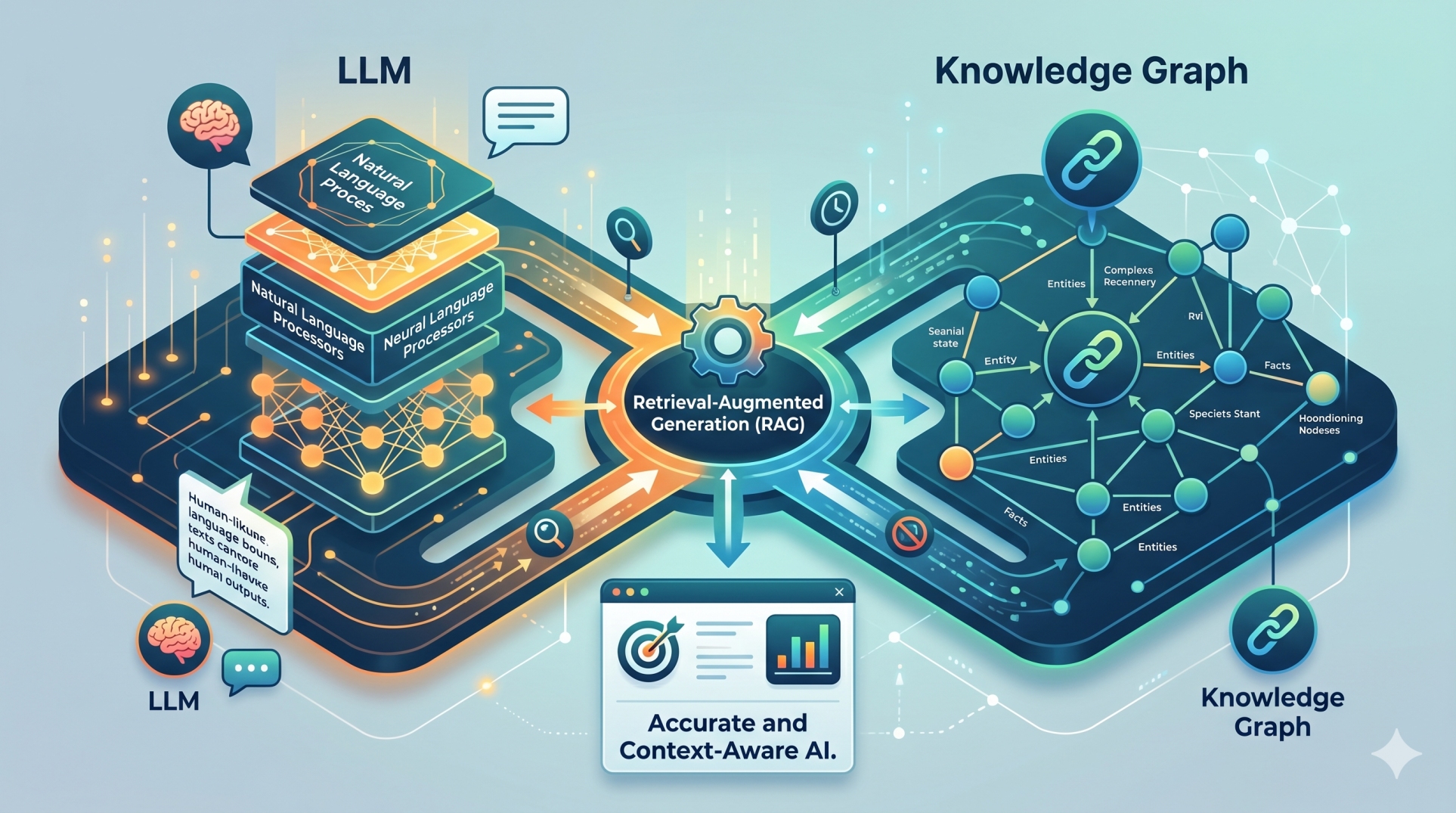
• Retrieve relevant historical information through authorized memory and CRM integrations. 🔗
Step 5: Managing Real-Time Business Requests ⚙️
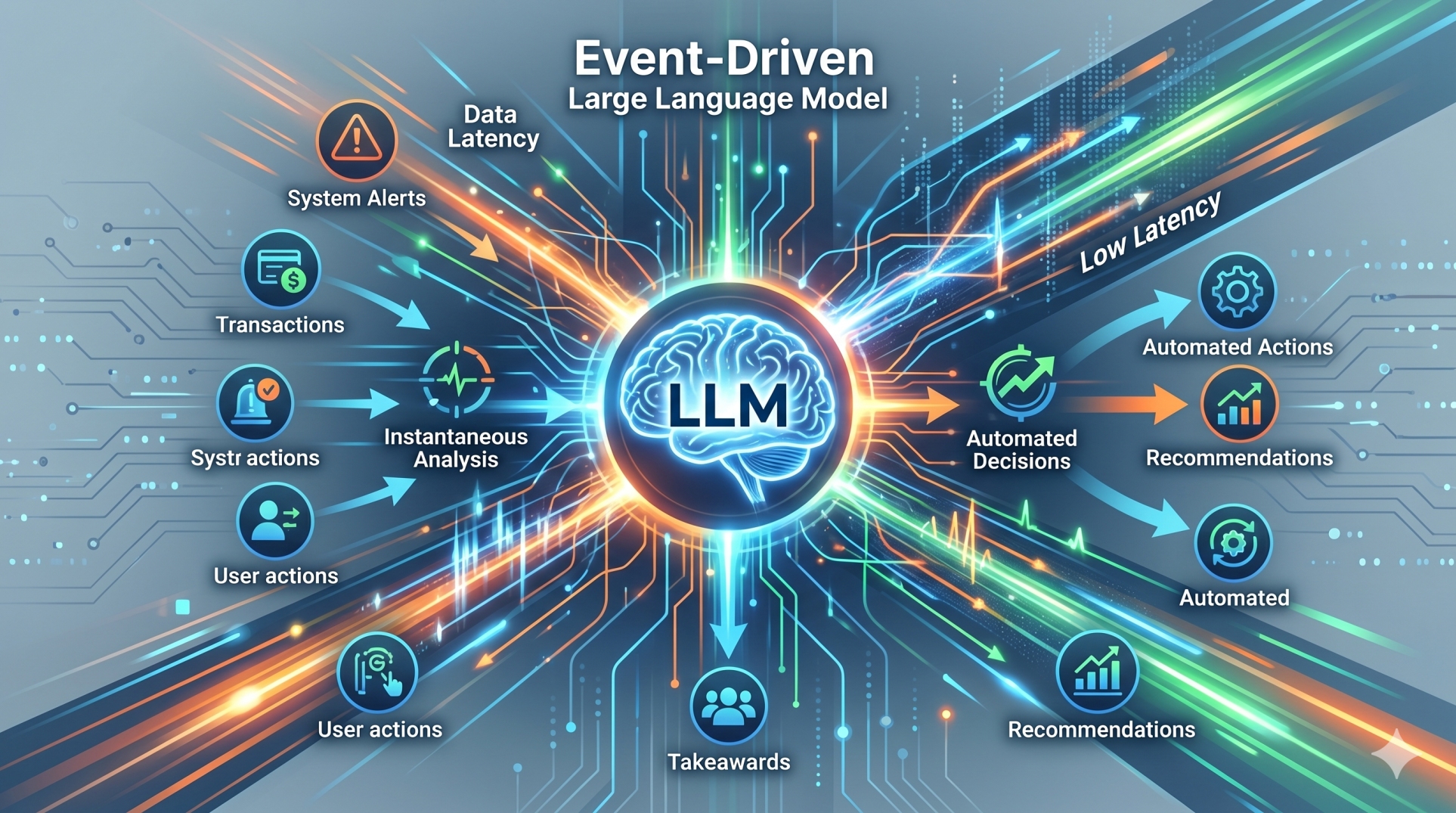
• Allow customers to make appointments, reservations, and service requests during active calls. 📅
• Connect AI agents with business APIs to retrieve current information. 🌐
• Process customer requests through independent workflow executions. 🔄
• Validate information before creating or modifying business records. ✅
• Communicate confirmed transaction results directly to customers. 📩
Step 6: Optimizing AI Model Performance ⚡
• Select appropriate AI models based on conversation complexity and response requirements. 🧠
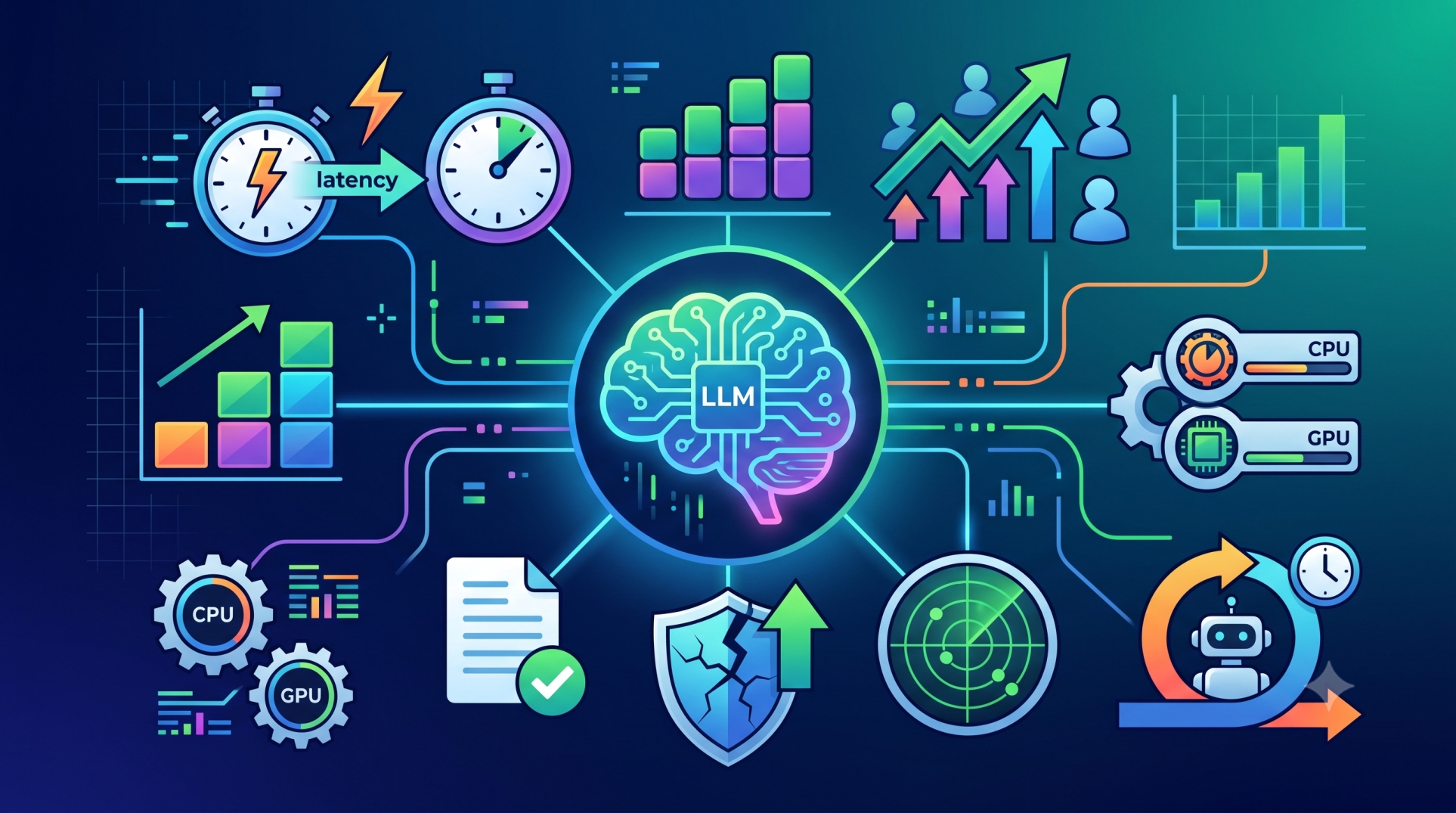
• Optimize speech recognition, language processing, and voice generation latency. ⏱️
• Use asynchronous processing to manage independent tasks efficiently. 🔄
• Apply caching for frequently requested information where appropriate. 📊
• Monitor resource utilization to maintain consistent performance during high call volumes. 📈
Step 7: Handling Call Spikes and System Limitations 📊
• Monitor incoming call volumes and active session capacity. 👁️
• Allocate additional infrastructure resources when demand increases. ☁️
• Implement queue management when configured capacity limits are reached. 🔀
• Provide customers with appropriate waiting or callback options when necessary. 📞
• Maintain graceful recovery during temporary service interruptions. 🛡️
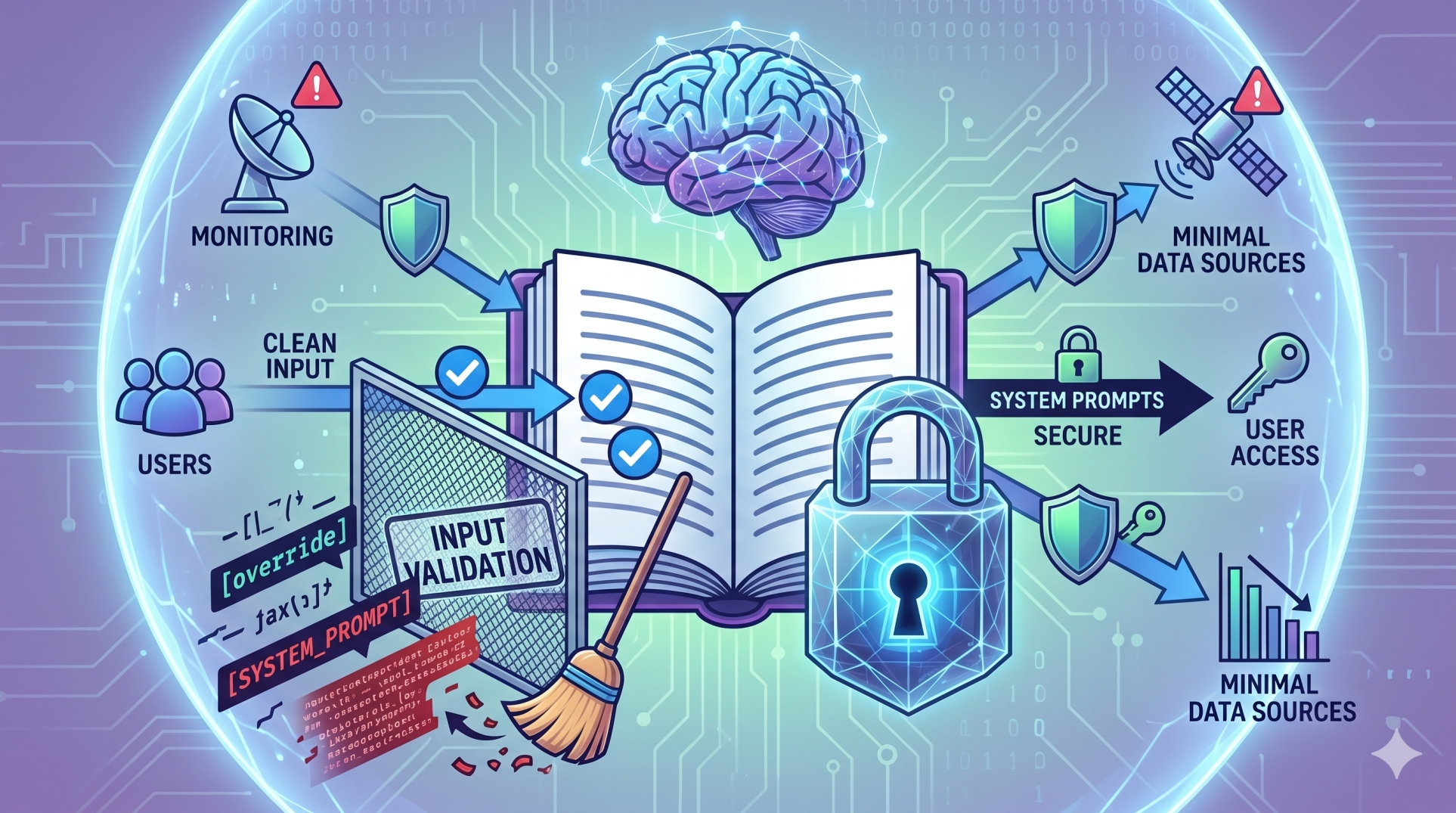
Step 8: Ensuring Security and Call Isolation 🔐
• Apply secure session management across all active conversations. 🛡️
• Protect customer information during speech processing and data transmission. 🔒
• Enforce authentication before accessing sensitive customer records. ✅
• Restrict AI agents to authorized tools and business operations. ⚙️
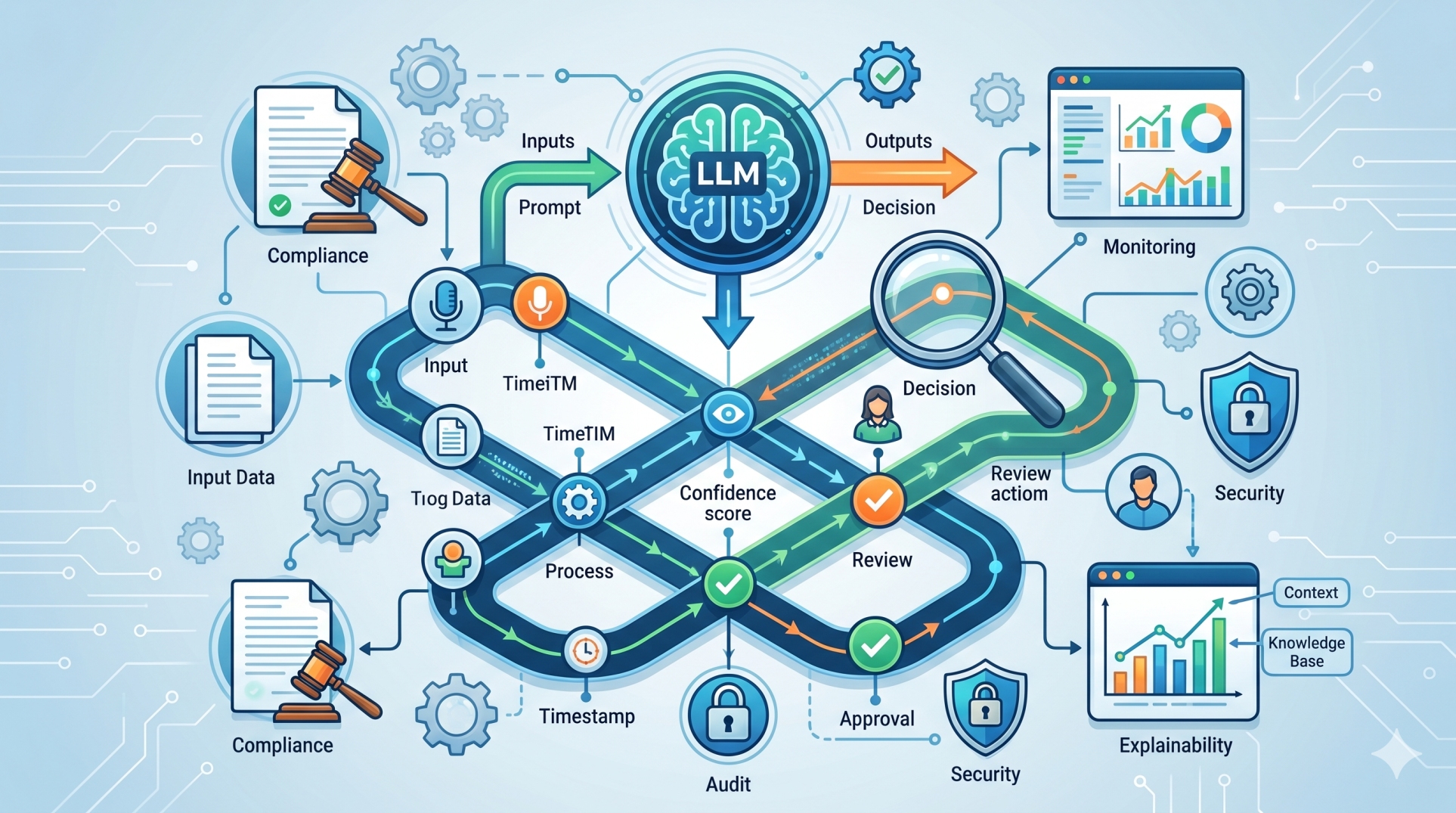
• Maintain separate interaction logs and audit records for every call. 📝
Step 9: Monitoring Call Quality and Resolution Rates 📈
• Track concurrent calls, average response time, and call duration. 📊
• Measure successful customer request completion rates. 🎯
• Monitor speech recognition accuracy and conversation interruptions. 🎙️
• Identify failed integrations and unresolved customer requests. 🔎
• Use performance analytics to improve voice agent reliability and customer experience. 💡
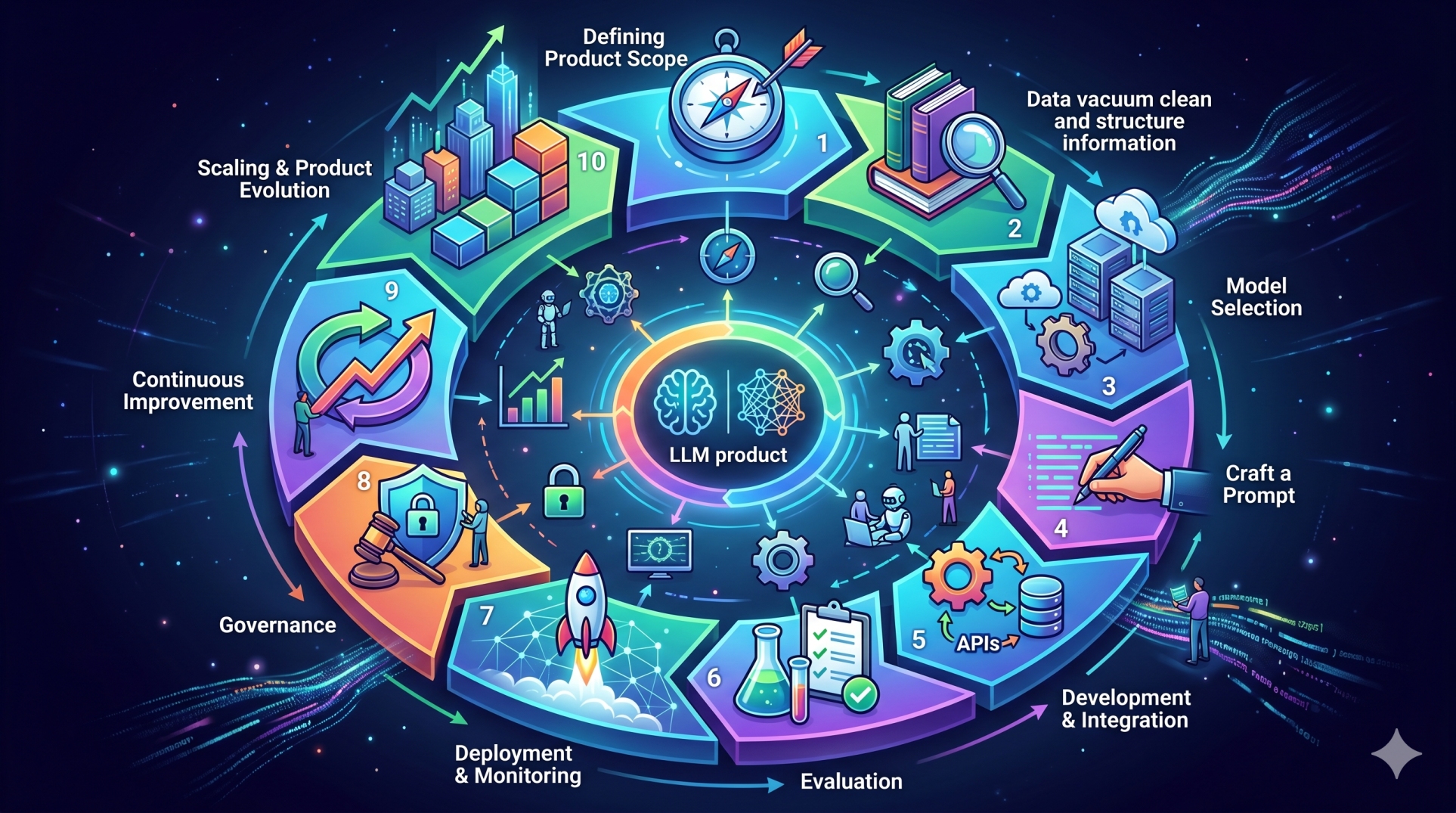
Step 10: Building a Future-Ready AI Phone Agent Platform 🚀
• Design reusable voice agent workflows for different business industries. 🧩
• Support multiple departments, phone numbers, and business locations. 🌐
• Integrate telephony, CRM, ERP, scheduling, and customer support systems. 🔗
• Scale processing capacity according to changing business demand. 📈
• Continuously improve conversation quality, automation capabilities, and transaction reliability. 🤖
Conclusion
AI phone agents provide businesses with a scalable approach to managing multiple customer calls simultaneously. By combining cloud telephony, independent conversation sessions, speech recognition, LLM-based reasoning, and real-time business integrations, organizations can handle growing call volumes without relying entirely on traditional phone support teams. The real strength of concurrent voice automation comes from maintaining independent conversations while delivering consistent response quality, protecting customer information, and completing authorized business tasks. With scalable infrastructure and effective session management, AI phone agents can support more responsive and efficient customer communication operations.
See more blogs
You can all the articles below